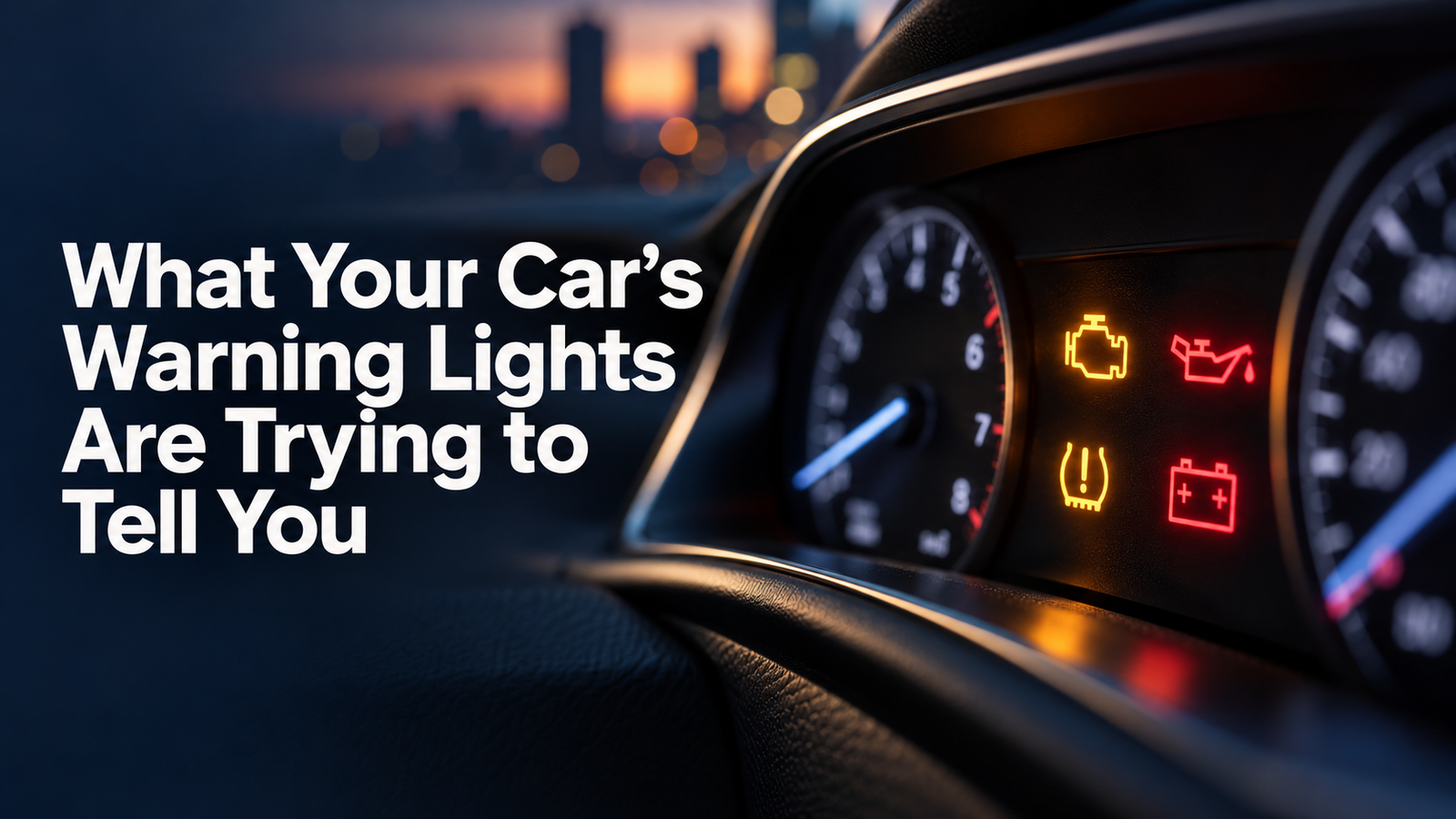
Dashboard warning lights are designed to alert drivers when a vehicle needs attention. Some lights are simple reminders, while others point to problems that may affect safety, performance, or fuel efficiency. Understanding the difference can help drivers decide whether to continue driving, arrange an inspection, or stop the vehicle immediately.
For anyone considering Auto Repair Brooklyn, recognizing common warning lights is a useful first step toward making informed maintenance decisions.
Check Engine Light
The check engine light is one of the most familiar and misunderstood dashboard symbols. It may appear because of a loose fuel cap, a faulty sensor, an ignition problem, or an issue with the emissions system.
A steady light often means the vehicle should be inspected soon. A flashing check engine light can indicate a more serious fault, such as an engine misfire. Continuing to drive with a flashing light may damage the catalytic converter or other components.
A qualified Brooklyn Auto Mechanic can perform vehicle diagnostics to retrieve fault codes. However, a code does not always identify the exact failed part. It gives the technician a starting point for further testing.
Oil Pressure Warning
The oil pressure light usually looks like an oil can. If it remains illuminated while the engine is running, it may indicate low oil pressure, insufficient oil, or a lubrication system problem.
Because engine oil protects moving components from heat and friction, low pressure can quickly cause significant damage. Drivers should safely stop the vehicle, switch off the engine, and check the oil level. If the level is normal but the light remains on, professional inspection may be necessary. Ignoring this warning could eventually lead to engine repair Brooklyn motorists might otherwise have avoided.
Battery and Charging System Light
The battery symbol does not always mean that the battery itself has failed. It can also indicate a problem with the alternator, drive belt, wiring, or charging system.
When the charging system is not working correctly, the vehicle may continue operating briefly using stored battery power. Eventually, electrical systems may shut down and the engine may stop. An inspection can determine whether the issue involves the battery or another component.
Brake and ABS Warnings
A brake warning light may appear when the parking brake is engaged, the brake fluid is low or the braking system has developed a fault. The ABS light relates to the anti-lock braking system.
Although standard braking may still function when the ABS light is on, the anti-lock feature might not operate during sudden braking. Any change in pedal feel, braking distance, or vehicle stability should be treated seriously.
Temperature Warning Light
A temperature warning light indicates that the engine may be overheating. Possible causes include low coolant, a damaged hose, a faulty thermostat, or a cooling fan problem.
Driving an overheating vehicle can result in major engine damage. Pull over safely, turn off the engine, and allow it to cool. Never remove the coolant cap while the system is hot because pressurized fluid may cause burns.
Preventing Warning Lights Through Routine Maintenance
Not every mechanical issue can be prevented, but regular servicing can reduce unexpected problems. Good car maintenance Brooklyn drivers can follow, including checking fluids, replacing filters, inspecting brakes, and monitoring tire condition.
Businesses such as BMSA Auto Care may use diagnostic equipment alongside physical inspections to investigate dashboard warnings. The most useful approach combines fault-code information with careful testing rather than replacing parts based on the warning light alone.
Conclusion
Dashboard lights are an early communication system between a vehicle and its driver. Responding promptly can protect important components and reduce the likelihood of a roadside breakdown. Whether the issue requires basic maintenance, diagnostic testing, or Auto Repair Brooklyn, the warning should be assessed according to its color, behavior, and effect on the vehicle.
Frequently Asked Questions
Can I drive with the check engine light on?
A steady light may allow a short journey to an inspection, but a flashing light requires urgent attention. Stop driving if the vehicle loses power, shakes, or overheats.
Will disconnecting the battery clear a warning light?
It may temporarily reset the light, but it will not repair the underlying fault. The warning can return once the system detects the problem again.
How often should vehicle diagnostics be performed?
Diagnostics are useful when a warning light appears, performance changes, or a technician suspects an electronic fault. They may also form part of scheduled maintenance.