A healthy engine should run smoothly when the vehicle is stationary. If the steering wheel vibrates, the engine speed rises and falls, or the car sounds as though it may stall, the vehicle may be experiencing a rough idle.
Some causes are minor, while others can affect fuel economy, emissions and long-term engine health. Understanding the common warning signs can help drivers explain the problem clearly and arrange appropriate testing.
What Does Rough Idling Feel Like?
Rough idling usually occurs when the engine is running but the vehicle is not moving. The driver may notice shaking through the seat or steering wheel, an uneven engine sound or movement in the RPM gauge.
The problem might happen only when the engine is cold, after it warms up or when accessories such as the air conditioner are switched on. These details can help a Brooklyn Auto Mechanic narrow down the possible cause.
If the vehicle stalls repeatedly or the check-engine light flashes, it is safer to stop driving and arrange an inspection.
Dirty or Restricted Airflow
An engine needs the correct balance of air and fuel. A clogged engine air filter can restrict airflow and contribute to poor performance. Regular Air & Cabin Filter Replacement helps keep the engine intake and passenger ventilation systems working as intended, although the two filters perform different jobs.
Dirt may also collect around the throttle body or related intake components. On older vehicles, Carburetor Cleaning may be necessary when deposits interfere with fuel delivery. Most modern cars use electronic fuel injection, so testing should identify the actual system involved before cleaning or replacing parts.
Worn Spark Plugs and Ignition Problems
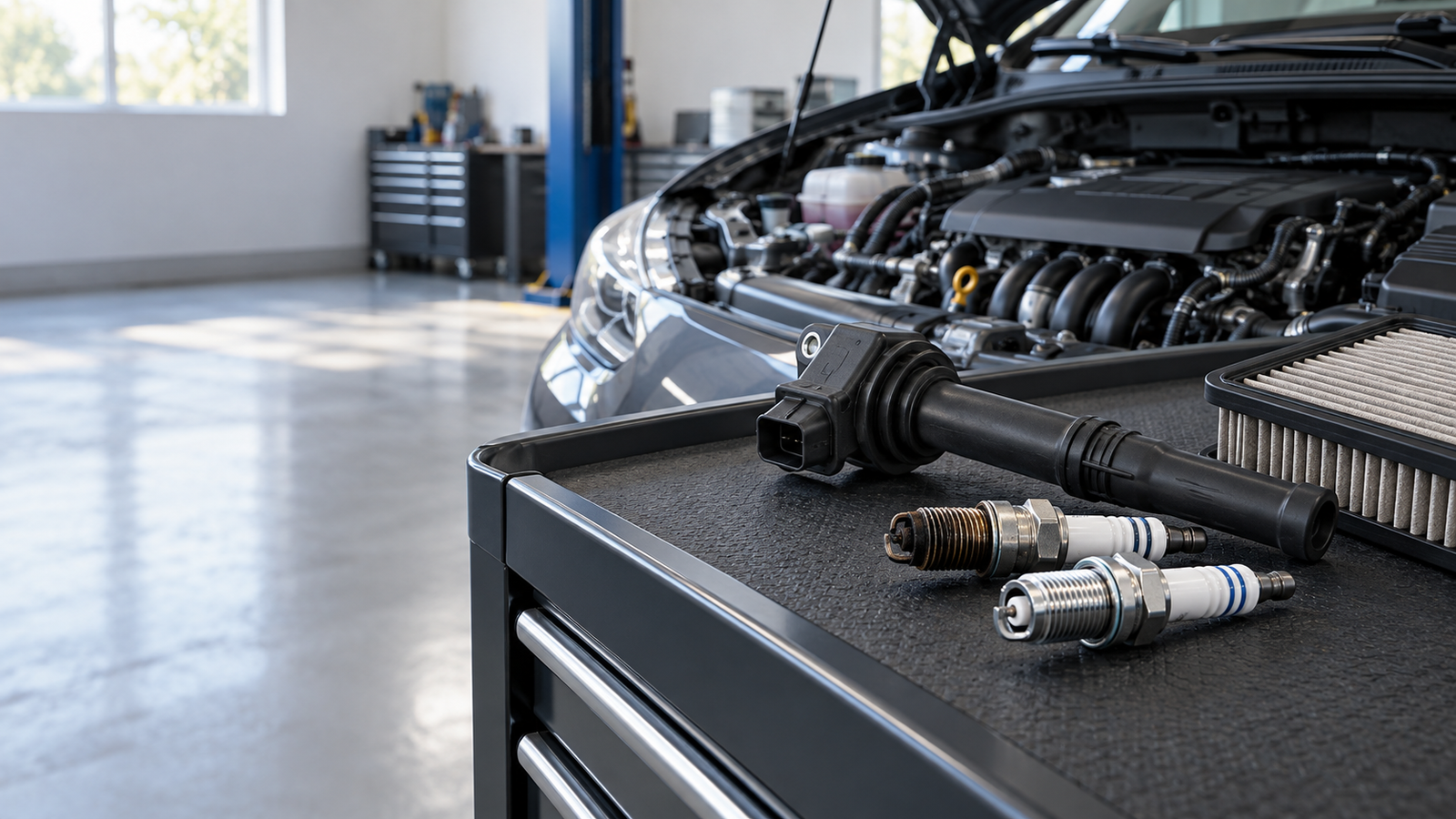
Spark plugs ignite the air-and-fuel mixture inside the engine. When a plug, ignition coil or related component begins to fail, one or more cylinders may misfire. This can cause shaking, reduced power and increased fuel consumption.
An Auto Engine Diagnostic can help determine whether the issue relates to ignition, fuel delivery, airflow, sensors or another system. Proper vehicle diagnostics should include more than reading a fault code. The technician may need to examine live data, wiring and mechanical condition.
Vacuum Leaks and Sensor Faults
Cracked hoses or loose intake connections can allow unmeasured air to enter the engine. This changes the fuel mixture and may cause an unstable idle. Certain sensors can produce similar symptoms when they send incorrect information to the vehicle’s computer.
When a warning light appears, check engine light diagnostics can retrieve stored codes and identify which system detected the fault. However, a code does not always name the exact failed part. Further testing is often required before repairs are recommended.
Oil and General Maintenance
Old or insufficient engine oil may not directly cause every rough-idle problem, but it can affect overall engine performance and wear. A scheduled Oil Change ensures that the engine has the correct quantity and grade of lubricant.
Consistent Auto Maintenance can also reveal worn belts, fluid leaks, weak batteries and damaged hoses before they lead to larger problems. Drivers looking for car maintenance Brooklyn services should follow the schedule in the vehicle handbook while considering the additional strain created by traffic, short journeys and frequent stopping.
Emissions and Engine Performance
A rough idle may increase exhaust emissions, particularly when incomplete combustion or a faulty sensor is involved. Auto Emissions Testing can identify whether the vehicle meets the required standard, but a failed result still needs to be diagnosed properly.
In some cases, Auto Engine Tuning may help restore smoother operation. Tuning should be based on the vehicle’s condition and specifications rather than used as a substitute for repairing a mechanical or electrical fault.
If internal damage, compression loss or a major timing issue is found, engine repair Brooklyn services may be required. A clear diagnosis can help distinguish between a minor service item and a more involved engine repair.
The Value of a Complete Inspection
Rough idling may occur alongside other problems, including poor acceleration, unusual smells, excessive fuel use or difficulty starting. A broader Vehicle Inspection can check the engine as well as tyres, brakes, suspension, lights and fluid levels.
A combined Maintenance and Diagnostics approach allows immediate symptoms and general vehicle condition to be considered together. General Repairs & Maintenance may then address confirmed issues such as worn ignition parts, damaged hoses, weak batteries or fluid leaks.
At BMSA Auto Care, as with any provider of https://bmsaauto.com/ services, drivers should describe when the symptoms began and whether they change with speed, temperature or accessory use. Accurate information can make the diagnostic process more efficient.
Conclusion
A rough idle is a symptom rather than a complete diagnosis. Restricted airflow, worn ignition components, vacuum leaks, sensor problems and fuel-delivery faults can all produce similar behaviour.
Timely inspection is important, especially when shaking is severe, the vehicle stalls or the check-engine light flashes. Identifying the underlying cause before replacing parts can lead to a more focused repair and help maintain dependable engine performance.
Frequently Asked Questions
Can a dirty air filter cause rough idling?
A heavily restricted engine air filter may affect airflow and performance, although other intake, ignition or fuel-system problems should also be considered.
Is it safe to drive when the engine is shaking?
Mild vibration may not require an immediate stop, but severe shaking, stalling or a flashing check-engine light should be treated urgently.
Will an oil change fix a rough idle?
Not usually by itself. An oil change supports engine health, but rough idling often requires diagnostic testing to locate the specific cause.
Can a diagnostic code identify the failed part?
Not always. A code identifies the system that detected a problem. Physical testing and live data may still be needed to confirm the fault.