Unexpected vehicle problems rarely happen without warning. Strange noises, dashboard lights, reduced fuel efficiency, and changes in handling can all suggest that something needs attention. Following a regular maintenance schedule can help drivers identify these issues early and reduce the likelihood of costly roadside breakdowns.
Begin With Maintenance and Diagnostics
A sensible maintenance and diagnostics routine combines scheduled servicing with careful investigation when a vehicle behaves differently. Maintenance focuses on replacing worn parts and fluids, while diagnostic testing helps locate problems that may not be visible during a basic inspection.
Drivers searching for Auto Repair Brooklyn services should explain any recent changes they have noticed. Details such as when a noise occurs, how long a warning light has been on, or whether the vehicle struggles during acceleration can help a technician begin the inspection more efficiently.
Keep Up With Essential Auto Maintenance
Regular auto maintenance supports engine performance, braking, steering, and fuel economy. The correct schedule depends on the vehicle’s age, mileage, manufacturer recommendations, and driving conditions.
City driving can place additional strain on a car. Frequent stopping, short journeys, traffic congestion, and uneven roads may increase wear on brakes, tires, suspension components, and engine fluids. This makes consistent car maintenance Brooklyn drivers can plan around their mileage, which is especially important.
Do Not Delay an Oil Change
An oil change is one of the most familiar maintenance tasks, but it remains essential. Engine oil lubricates moving components, manages heat, and collects contaminants. As it ages, it becomes less effective and may contribute to increased friction or internal wear.
Oil should be changed according to the manufacturer’s recommended interval. The correct oil grade is also important, as not every lubricant is suitable for every engine.
Replace Air and Cabin Filters
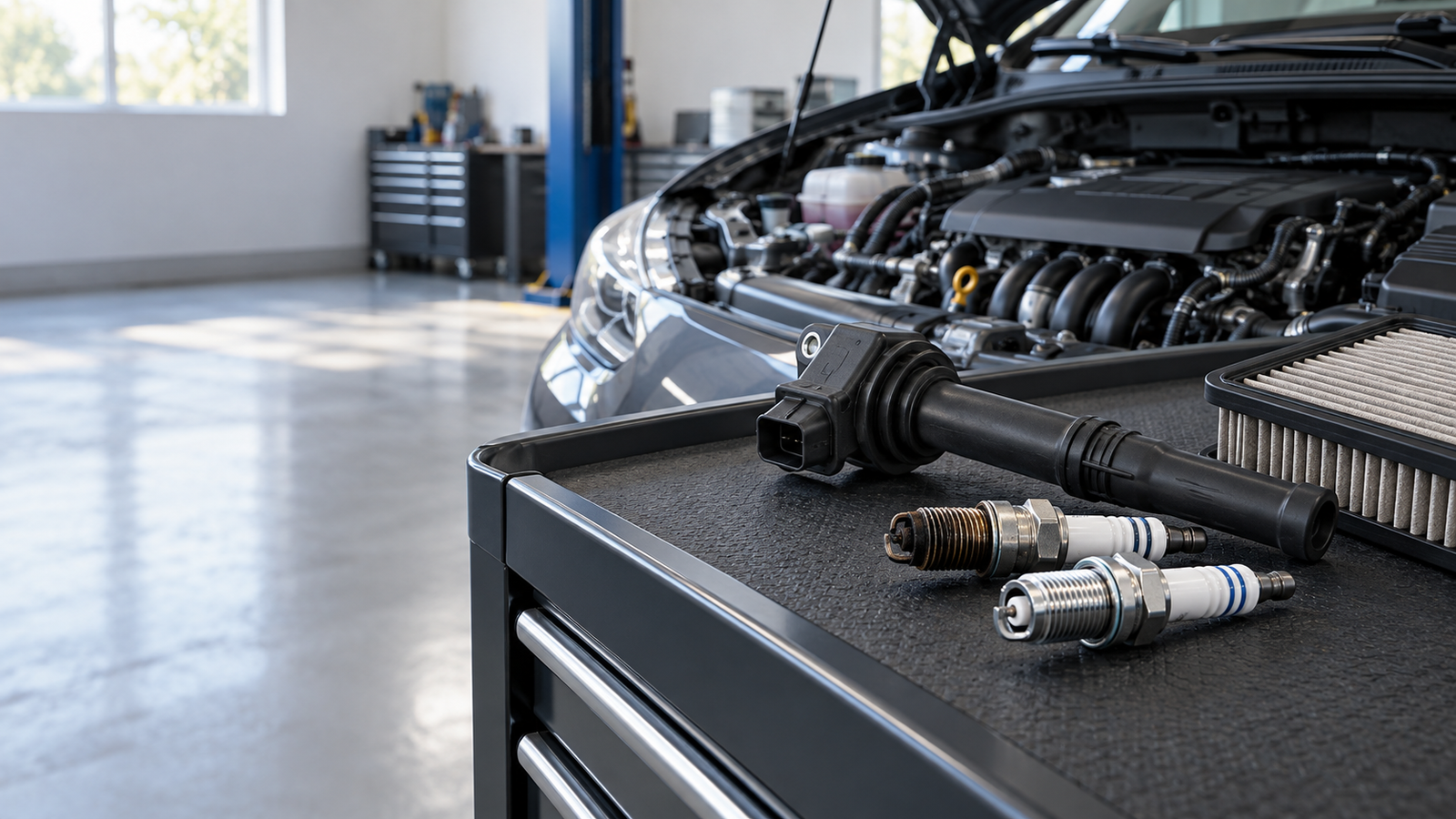
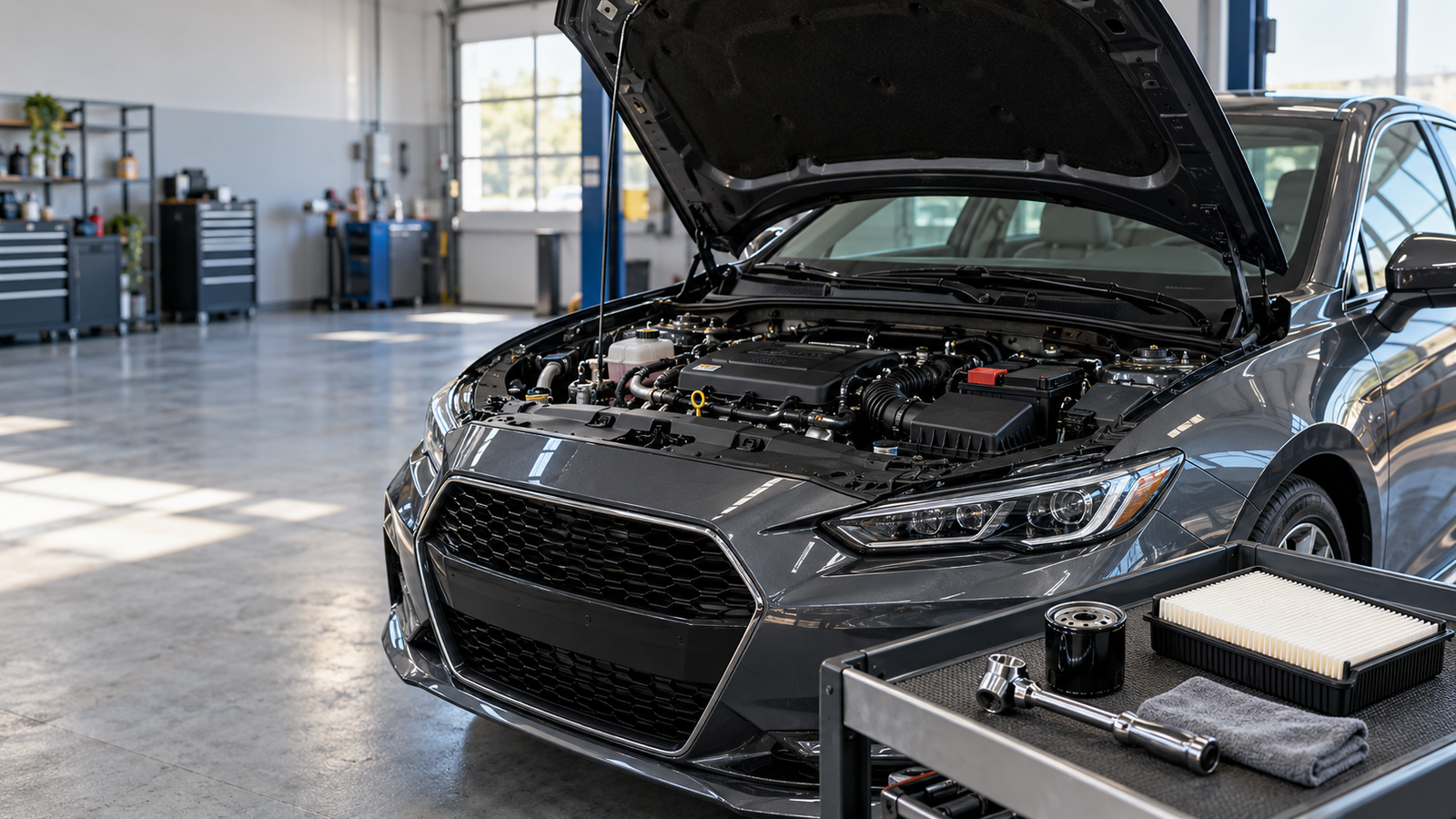
Air & Cabin Filter Replacement supports both vehicle performance and passenger comfort. The engine air filter prevents dust and debris from entering the engine, while the cabin filter helps remove airborne particles from the ventilation system.
A dirty engine filter may restrict airflow, and a blocked cabin filter can weaken heating or air-conditioning performance. Inspection intervals may need to be shorter in dusty environments or heavy urban traffic.
Investigate Engine Warning Signs
A check-engine light can appear for many reasons, from a loose fuel cap to a sensor, ignition, or emissions-system problem. Proper check engine light diagnostics use scanning equipment to retrieve fault codes, but those codes are only the starting point.
A complete auto engine diagnostic may include electrical testing, live data analysis, and physical inspection. If a more serious fault is found, engine repair in Brooklyn services may involve the ignition system, cooling system, timing components, or internal engine parts.
In certain vehicles, auto engine tuning may help restore smooth operation when performed for a specific mechanical reason. Older vehicles may also require carburetor cleaning, although most modern cars use electronic fuel injection.
Include Emissions and Vehicle Inspections
Auto emissions testing evaluates whether a vehicle’s exhaust output meets applicable standards. A failed test may point to problems with sensors, fuel delivery, ignition components, or the catalytic converter.
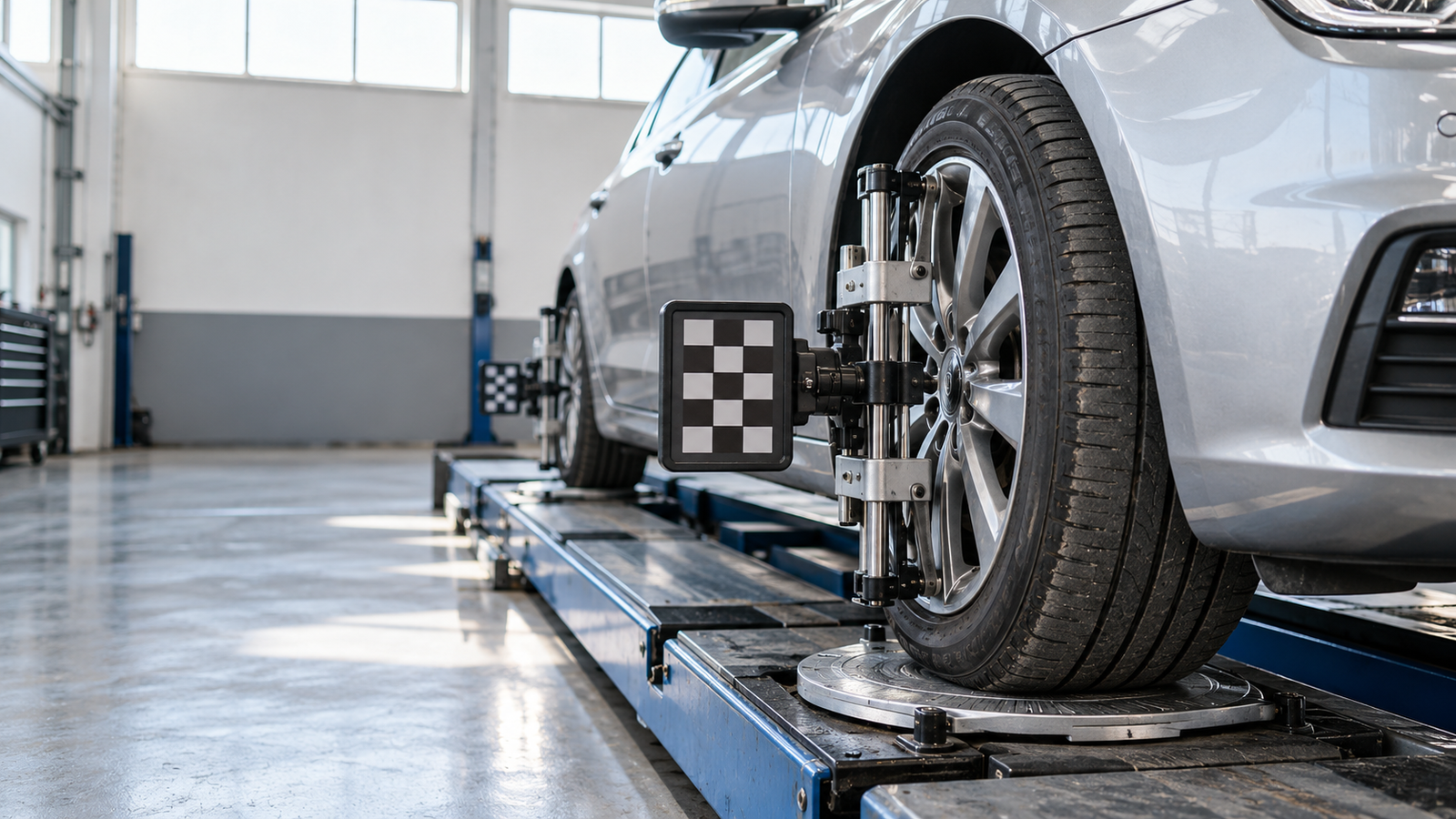
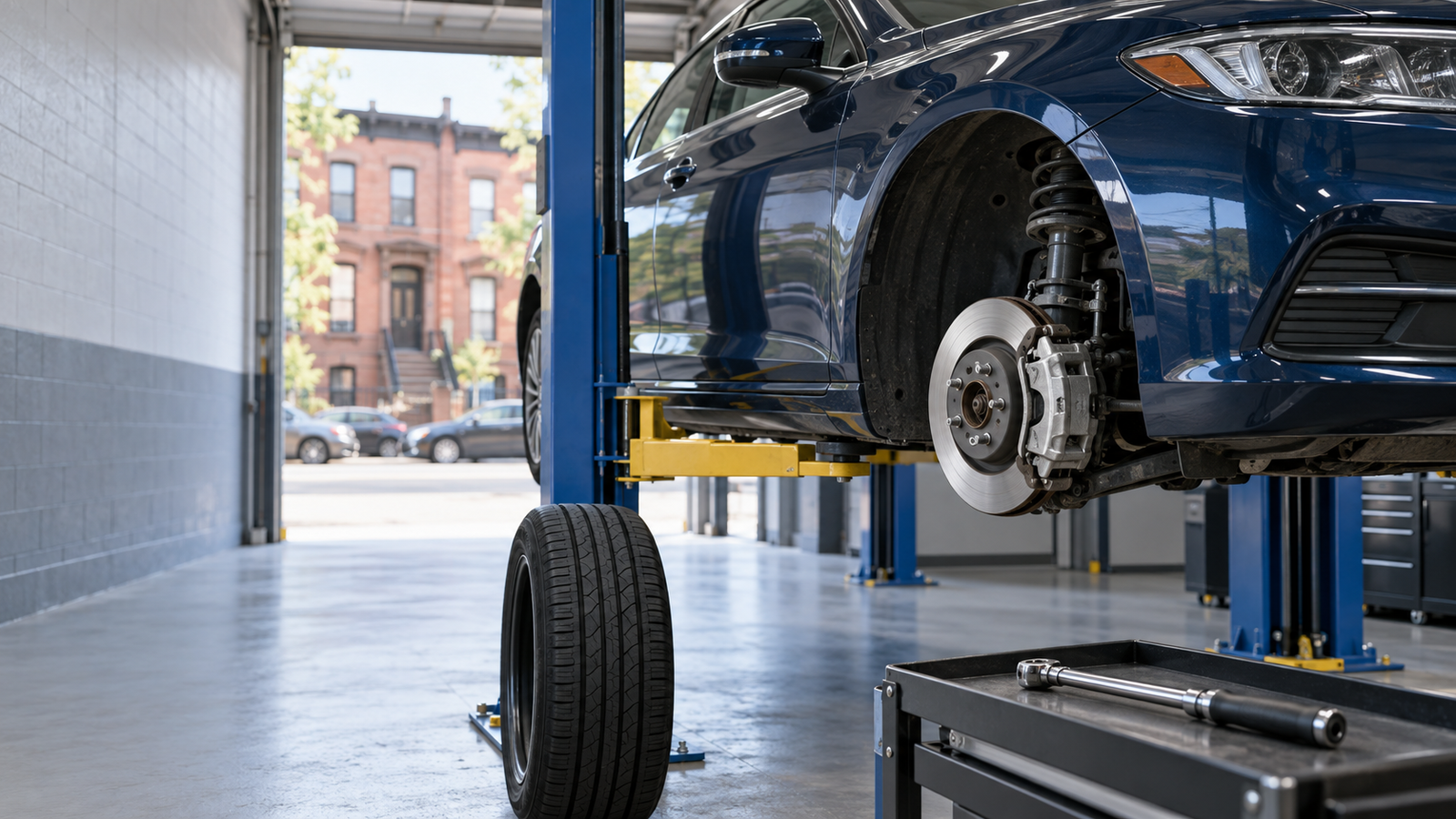
A broader vehicle inspection can examine tires, brakes, lights, suspension, fluids, and safety equipment. These checks are useful before a long journey, when purchasing a used car or when the vehicle begins to feel different on the road.
Choosing the Right Repair Approach
A qualified Brooklyn auto mechanic should diagnose the cause of a problem before recommending repairs. Replacing parts without proper testing may waste time and fail to solve the original issue.
General Repairs & Maintenance can cover everything from worn brake pads and weak batteries to fluid leaks and suspension concerns. At BMSA Auto Care, as with any repair facility, clear communication about symptoms, test results, and maintenance history can help create a more informed repair plan.
Conclusion
Routine maintenance is about more than responding to dashboard warnings. Oil, filters, tires, brakes, and engine systems all benefit from timely attention. By combining scheduled servicing with accurate diagnostics, Brooklyn drivers can identify developing problems earlier, maintain dependable performance, and reduce the risk of an unexpected breakdown.
Frequently Asked Questions
How often should a car receive maintenance?
Intervals vary by vehicle, mileage, and driving conditions. The owner’s manual provides the best starting point.
Can a diagnostic code identify the exact problem?
Not always. A code identifies the system that detected a fault, but additional testing may be required to confirm the cause.
Should minor noises be inspected?
Yes. A new or worsening noise may indicate developing wear, particularly when accompanied by vibration, warning lights, or reduced performance.