A vehicle should travel in a straight line without requiring constant steering correction. If the car drifts or pulls noticeably to one side, the cause may involve tire pressure, wheel alignment, brakes, or worn suspension components.
The problem may appear gradually or begin suddenly after hitting a pothole or curb. Understanding the possible causes can help drivers explain the symptoms clearly when arranging an inspection.
Start by checking tire pressure
Unequal tire pressure is one of the simplest possible causes of pulling. If one front tire contains less air than the other, the vehicle may drift toward the underinflated side.
Drivers should check all four tires when they are cold and compare the readings with the pressure listed by the vehicle manufacturer. The number printed on the tire sidewall is not necessarily the correct operating pressure for the car.
Regular pressure checks are an important part of car maintenance Brooklyn drivers can perform between service appointments.
Uneven Tire Wear
A tire may develop uneven wear because of poor alignment, worn suspension parts, or incorrect inflation. Differences in tread depth between the left and right sides can affect how the vehicle follows the road.
Bulges, exposed cords, and significant tread damage require immediate attention. Tire rotation may help promote more even wear, but it cannot correct a damaged tire or an unresolved alignment problem.
A qualified Brooklyn auto mechanic can inspect the tread pattern and determine whether the tires, alignment, or suspension require further attention.
Wheel Alignment Problems
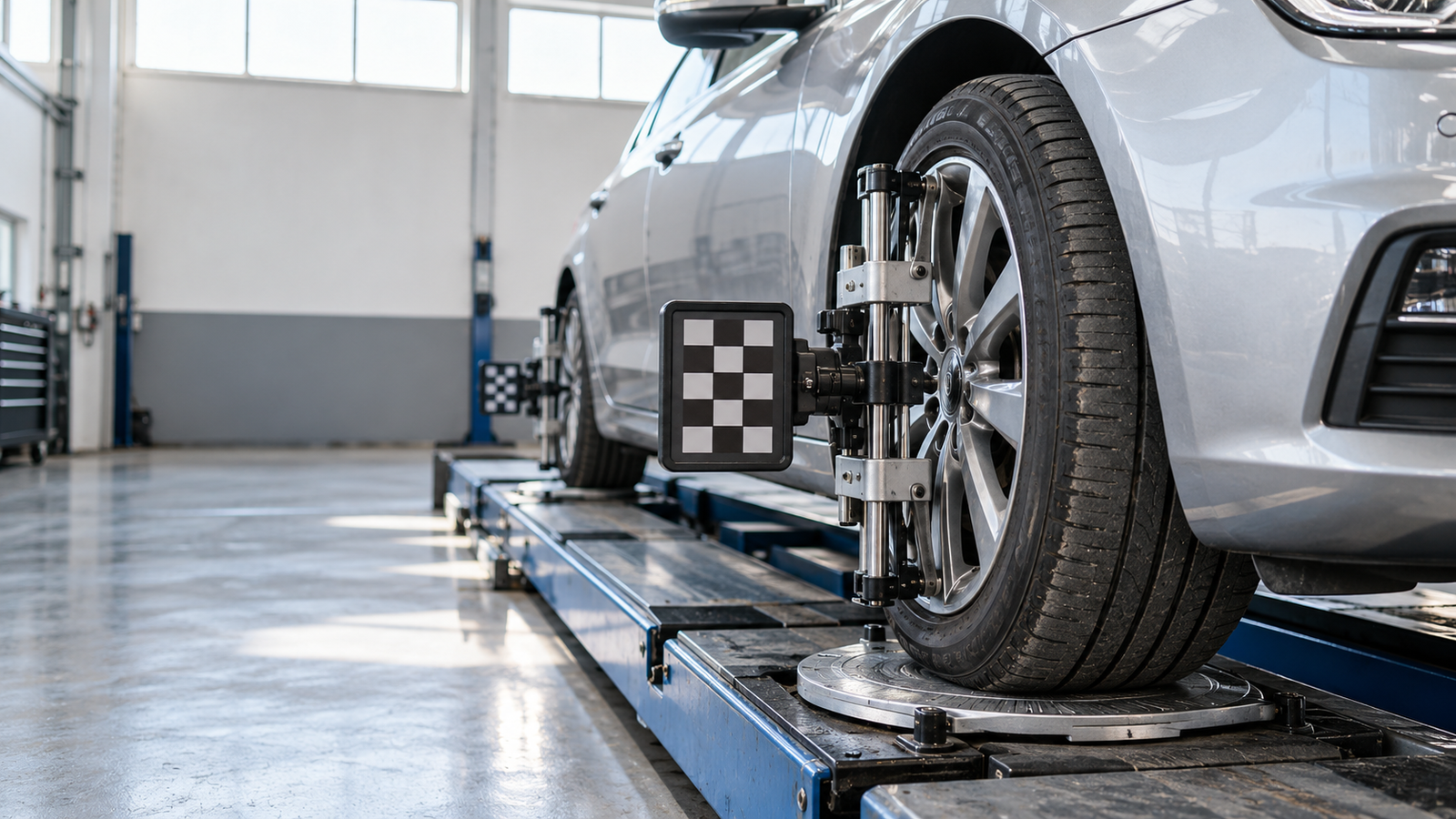
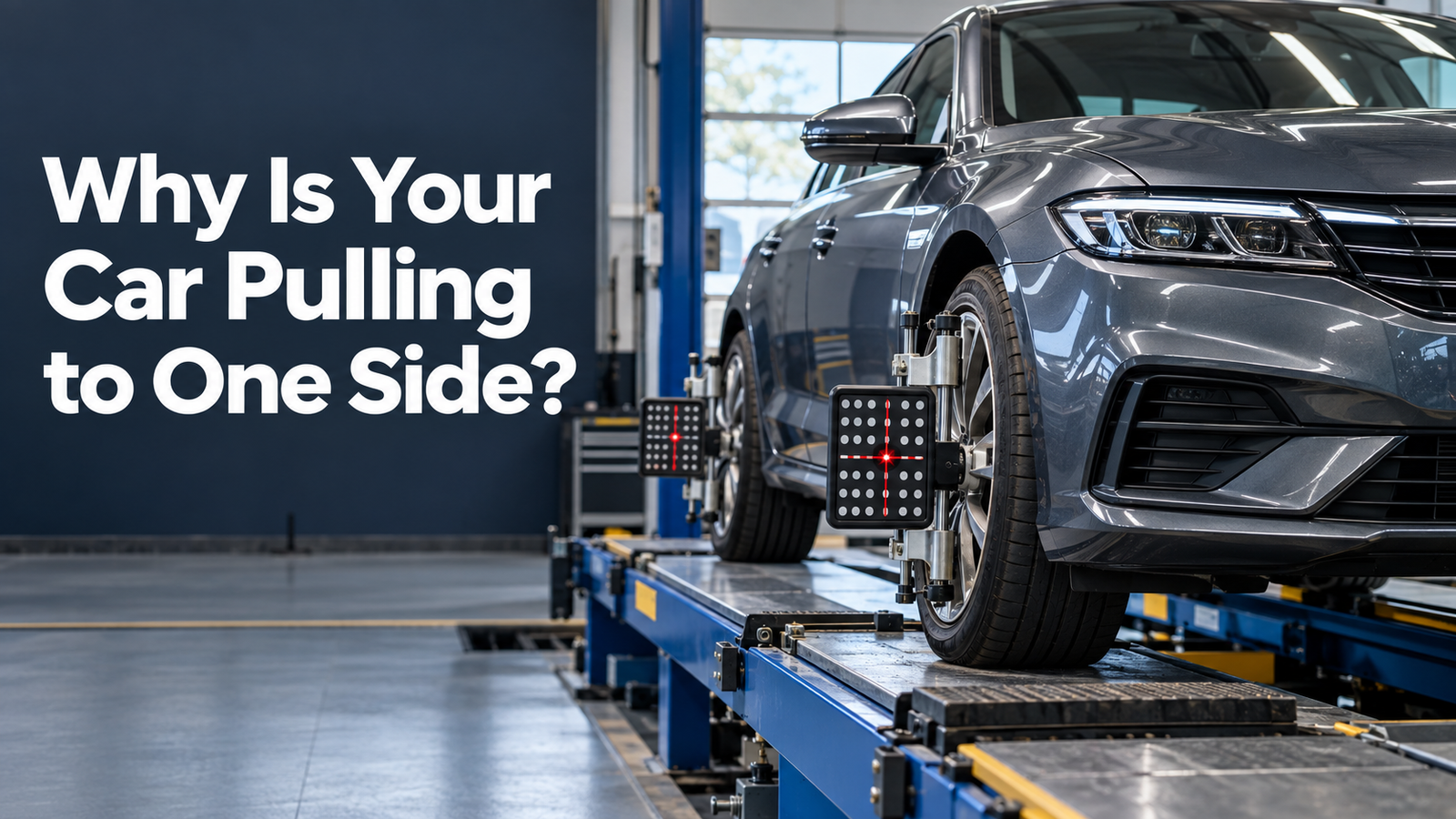
Wheel alignment refers to the angles at which the wheels meet the road. These angles can change after hitting potholes, driving over curbs, or replacing certain suspension components.
Common signs include a crooked steering wheel, uneven tire wear, and a vehicle that drifts on a reasonably level road. Proper alignment requires specialist equipment and accurate measurements. Adjusting the alignment without checking worn parts first may only provide a temporary result.
A Sticking Brake Caliper
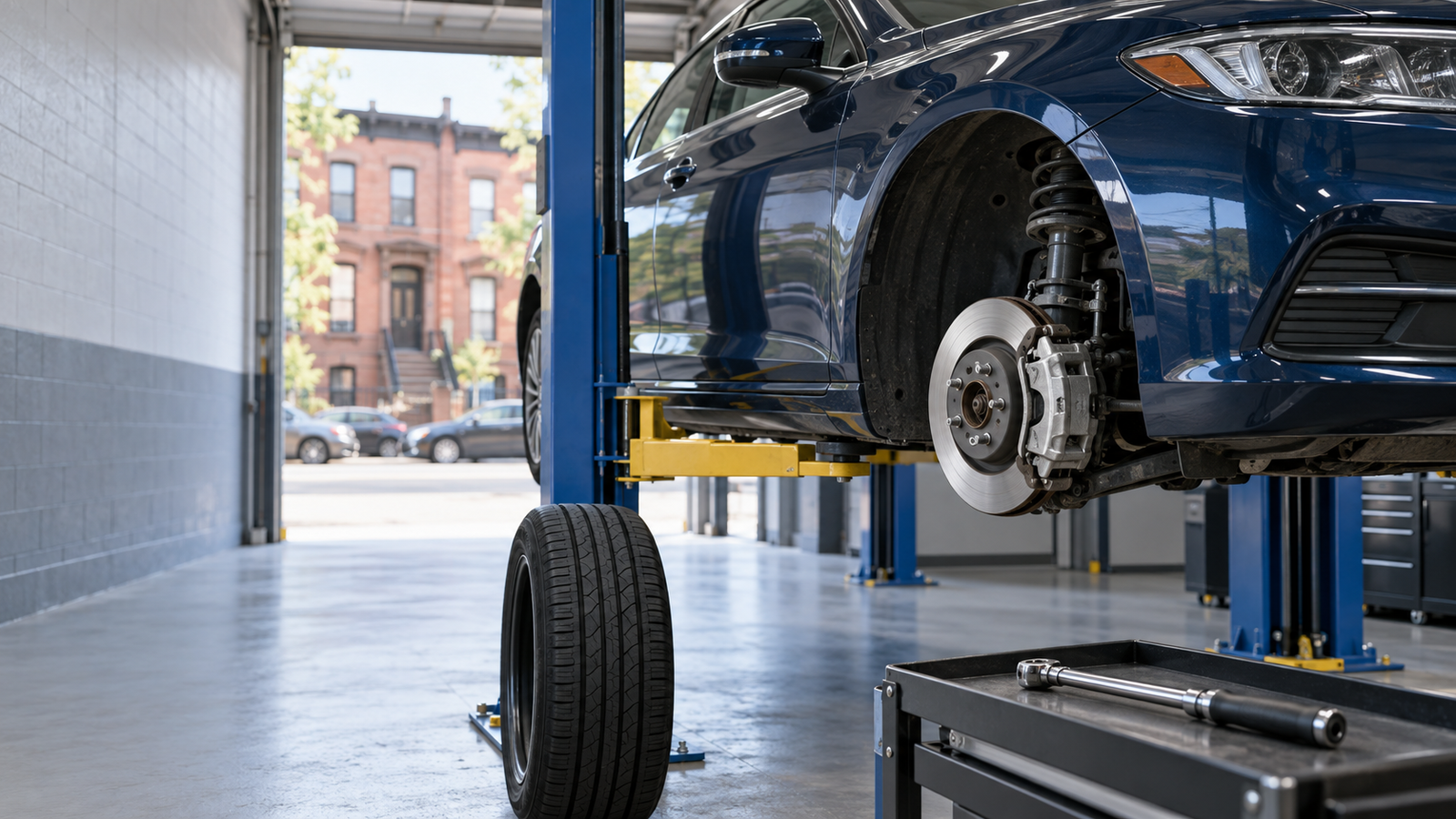
If the car pulls strongly while braking, one side of the braking system may be applying more force than the other. A sticking brake caliper can also create heat, a burning smell, or unusually heavy brake dust around one wheel.
Brake related pulling should be inspected promptly. An Auto Repair Brooklyn technician may need to examine the pads, rotors, calipers, brake hoses, and hydraulic system to find the source.
Continuing to drive with a binding brake may damage other components and reduce braking performance.
Worn Steering or Suspension Parts
Control arms, ball joints, tie rods, bushings, and wheel bearings help keep the wheels positioned correctly. When these components wear or become damaged, the vehicle may wander, pull, or feel unstable.
Clunking sounds, loose steering, and unusual tire wear can accompany suspension problems. Because several parts may produce similar symptoms, the complete front end should be checked rather than replacing a component based only on the pull.
Could the Engine Cause the Problem?
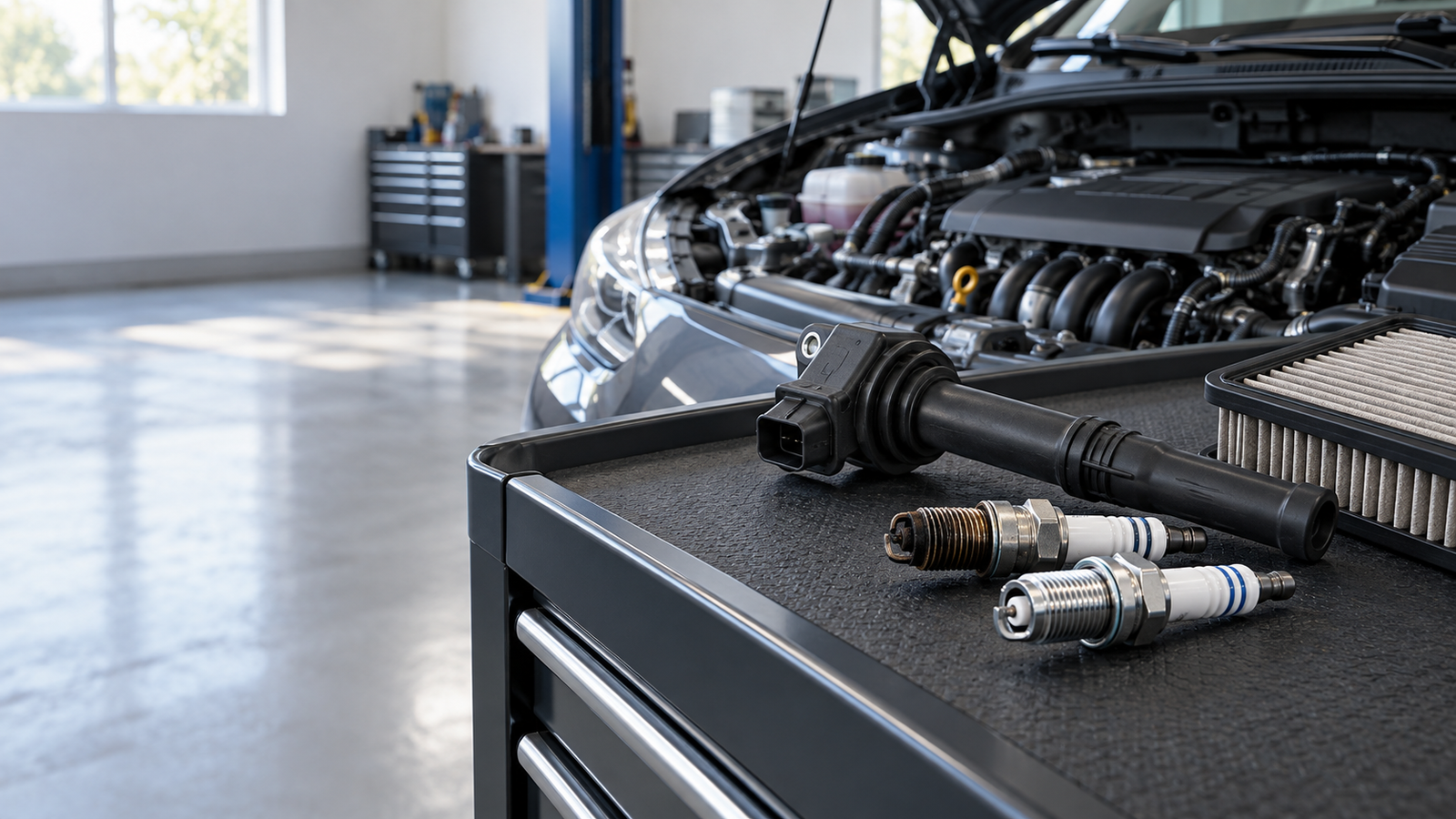
Most pulling problems are related to tires, brakes, alignment, or suspension rather than the engine. However, damaged engine or transmission mounts can sometimes create movement or vibration during acceleration.
Before considering engine repair Brooklyn drivers should arrange a proper diagnosis. Separating a steering related issue from an engine or drivetrain concern helps avoid unnecessary repairs.
Pay Attention to Road Conditions
Some roads are slightly raised in the center to allow rainwater to drain. This shape, called a road crown, may cause a mild drift to the right. Strong crosswinds and uneven surfaces can also influence the vehicle.
Test the car on more than one safe, level road before assuming there is a mechanical fault. A strong or consistent pull still deserves an inspection.
BMSA Auto Care can examine the relevant systems and explain which condition is affecting the vehicle.
Conclusion
A car may pull to one side because of incorrect tire pressure, uneven wear, poor alignment, brake trouble, or worn suspension parts. Since these systems influence handling and safety, ongoing pulling should not be ignored. A careful inspection can identify the actual cause and help prevent unnecessary tire wear or damage to connected components.
Frequently Asked Questions
Can low tire pressure make a car pull?
Yes. A pressure difference between tires can cause the vehicle to drift toward one side.
Will wheel alignment always fix pulling?
No. Alignment will not correct a damaged tire, sticking brake, or worn suspension component.
Is it safe to drive when the car pulls while braking?
Brake related pulling can affect control and stopping performance, so the vehicle should be inspected as soon as possible.