Driving only a few miles at a time may seem easier on a vehicle than taking long journeys. However, repeated short trips can place unexpected strain on the engine, battery, exhaust system, and other components. This is especially relevant for drivers in busy urban areas, where traffic, limited parking, and short local journeys are part of everyday life.
Understanding the effects of short-distance driving can help motorists make better maintenance decisions and recognize early warning signs.
The Engine May Not Reach Its Ideal Temperature
A cold engine needs time to reach its normal operating temperature. During a very short journey, the engine may be switched off before it has warmed fully. When this happens regularly, moisture and unburned fuel can collect in the engine oil.
Over time, contaminated oil may provide less effective lubrication. Following an appropriate oil-change schedule is therefore an important part of car maintenance Brooklyn drivers should consider, particularly when most journeys involve stop and go traffic.
Short Trips Put Pressure on the Battery
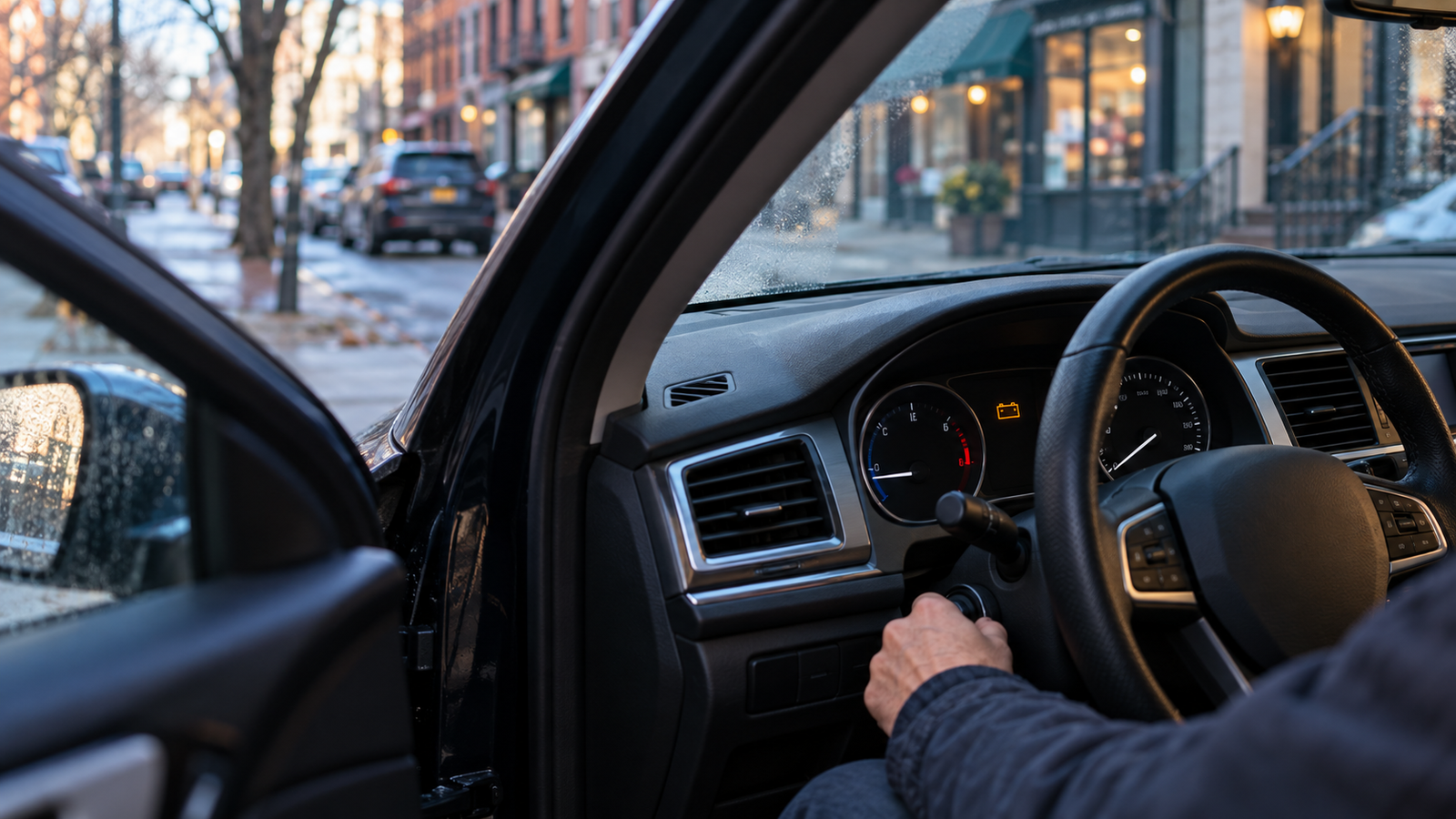
Starting a car requires a significant amount of electrical power. Once the engine is running, the alternator recharges the battery. A short journey may not give it enough time to replace the energy used during starting.
Repeated short trips can gradually weaken the battery, especially during cold weather. Slow engine cranking, dim lights, and electrical problems may indicate that the battery needs testing. BMSA Auto Care can assess whether the problem involves the battery, charging system, or another electrical component.
Moisture Can Collect in the Exhaust
The combustion process creates water vapor. During a longer drive, the exhaust system becomes hot enough to evaporate much of this moisture. On shorter journeys, water may remain inside the exhaust and contribute to internal corrosion.
A small amount of water from the tailpipe can be normal when the engine is cold. However, unusual smoke, strong odours, or excessive moisture should be investigated. A qualified Brooklyn Auto Mechanic can examine the exhaust and determine whether further testing is needed.
Stop-and-Go Driving Increases Wear
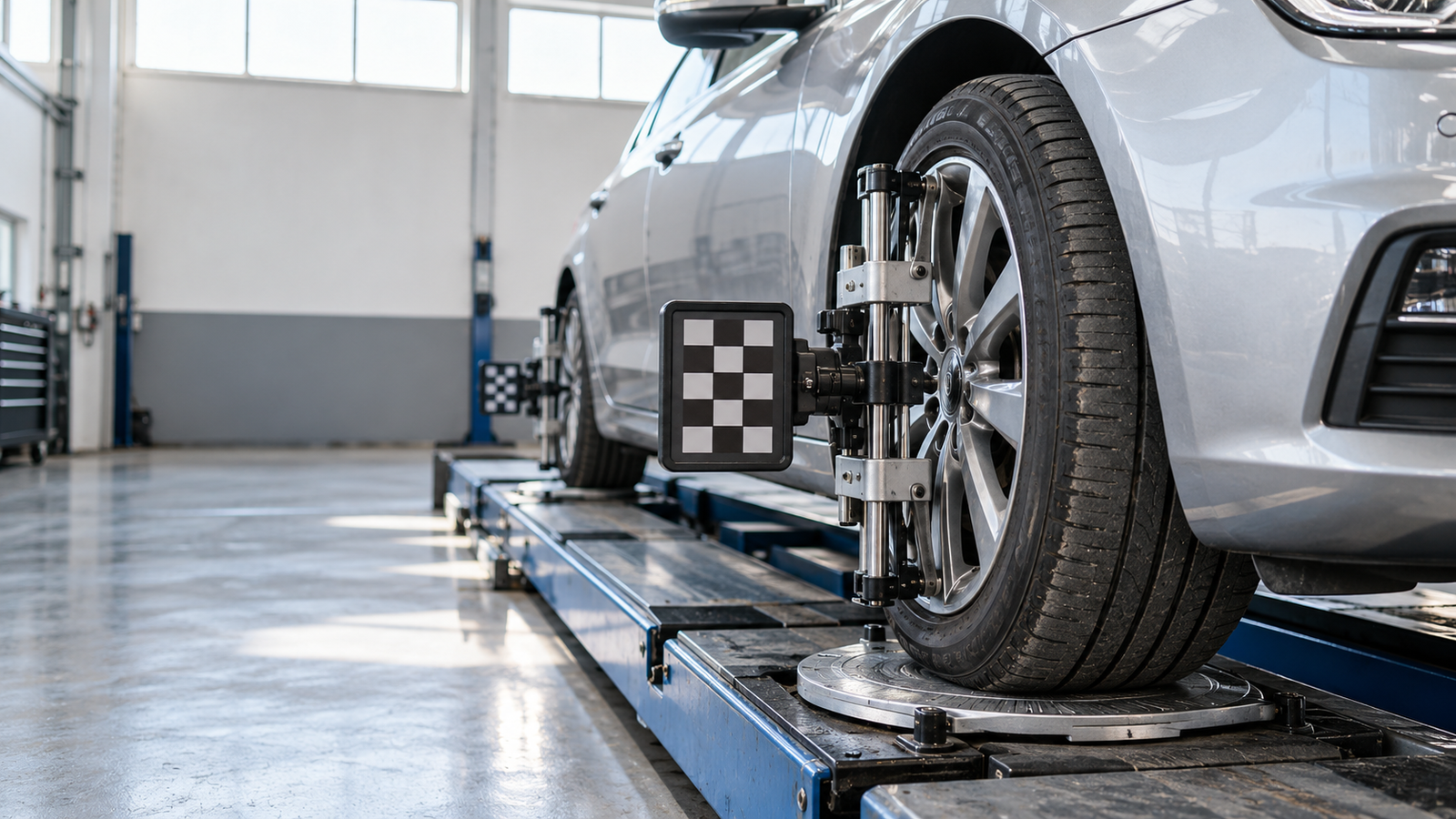
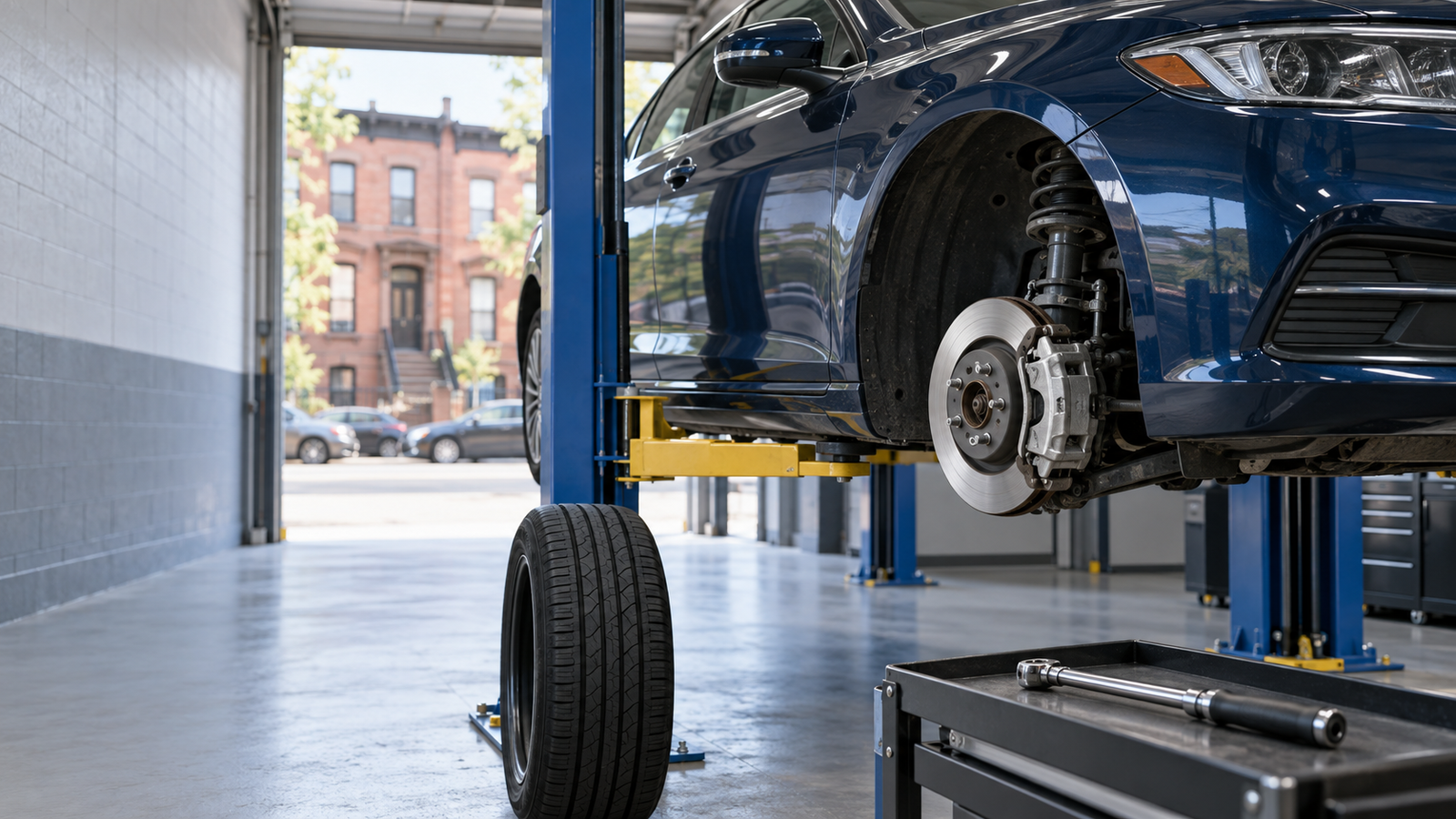
City driving often involves frequent braking, acceleration, and idling. These conditions can increase wear on brake pads, tires, and transmission components. Potholes and uneven roads may also affect wheel alignment and suspension parts.
An Auto Repair Brooklyn inspection can be useful when drivers notice pulling, vibration, uneven tire wear, braking noises, or changes in handling. Addressing these symptoms early may prevent damage to related parts.
Warning Lights Should Not Be Ignored
Frequent short trips may contribute to deposit buildup and incomplete engine cycles. If the check engine light appears, the vehicle’s computer has recorded a fault that requires proper diagnosis.
A warning light does not always mean the engine has suffered major damage, but delaying an inspection can allow a minor issue to become more complicated. Vehicle diagnostics can identify the stored code, while further testing determines the actual cause.
When Engine Repairs May Be Needed
Poor performance, oil consumption, overheating, knocking sounds, and persistent exhaust smoke may point to a more serious mechanical issue. Engine repair Brooklyn services should begin with an accurate assessment rather than replacing parts based only on symptoms.
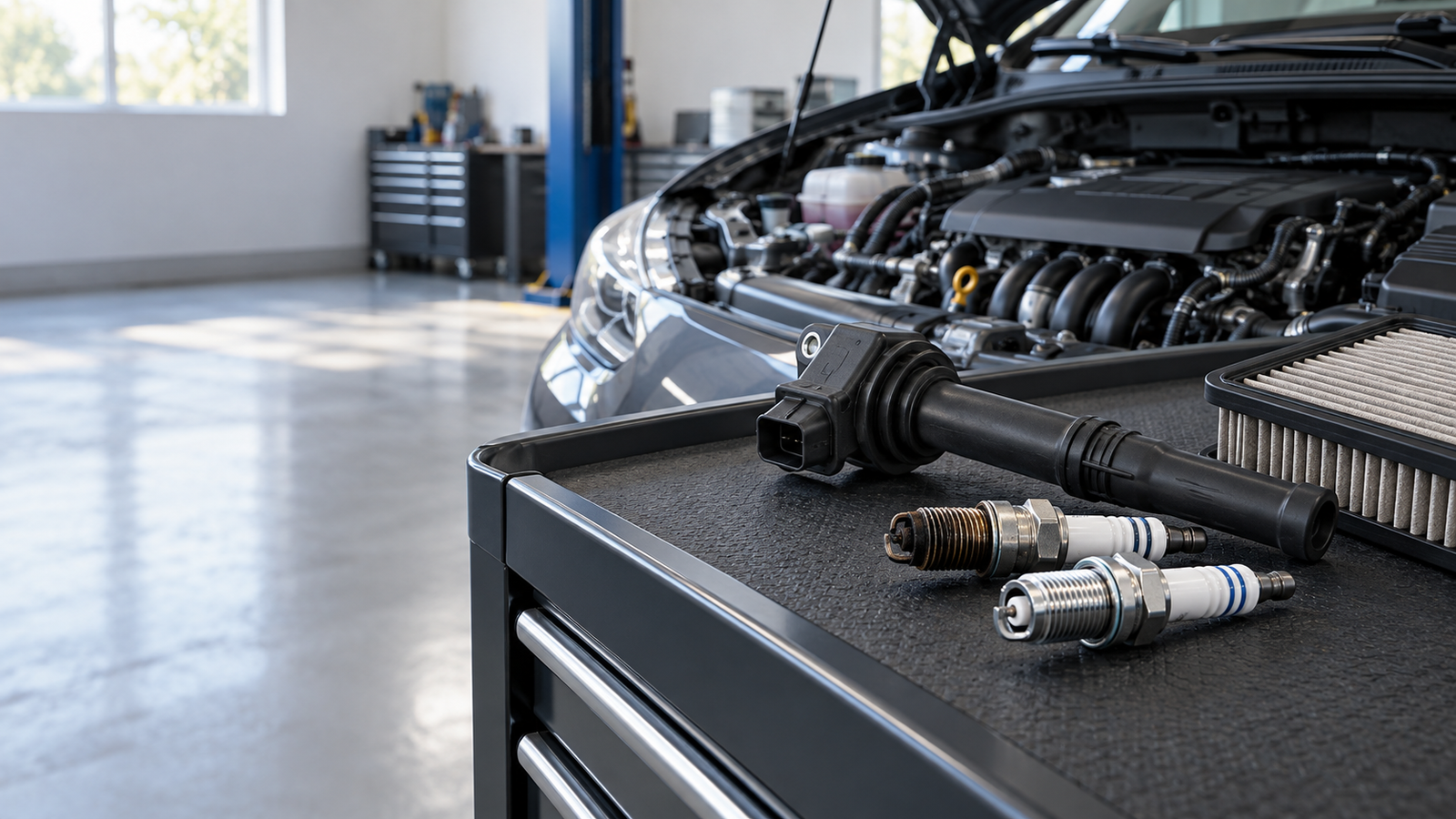
The cause could involve ignition components, sensors, cooling problems, oil pressure, or internal engine wear. Proper testing helps separate routine maintenance needs from larger repair concerns.
Practical Ways to Reduce Short Trip Wear
Drivers can support vehicle health by following the manufacturer’s maintenance schedule, checking fluid levels, and keeping tyres correctly inflated. When practical, combining several errands into one longer journey may allow the engine and exhaust to reach a stable operating temperature.
Conclusion
Short trips are sometimes unavoidable, especially in Brooklyn. Their effects can be managed through regular inspections, timely oil changes, and attention to warning signs. Understanding how urban driving affects the battery, engine, brakes, and exhaust can help owners make informed decisions and keep their vehicles dependable.
Frequently Asked Questions
Are short trips always harmful to a car?
No, but repeated short journeys can increase certain maintenance needs because the vehicle may not reach its normal operating temperature.
How often should a frequently driven city car be inspected?
Follow the manufacturer’s schedule, but consider earlier checks if the vehicle operates mainly in heavy traffic or makes frequent short trips.
Can a longer drive recharge a weak battery?
It may help if the battery is healthy, but a damaged or aging battery may still require testing or replacement.