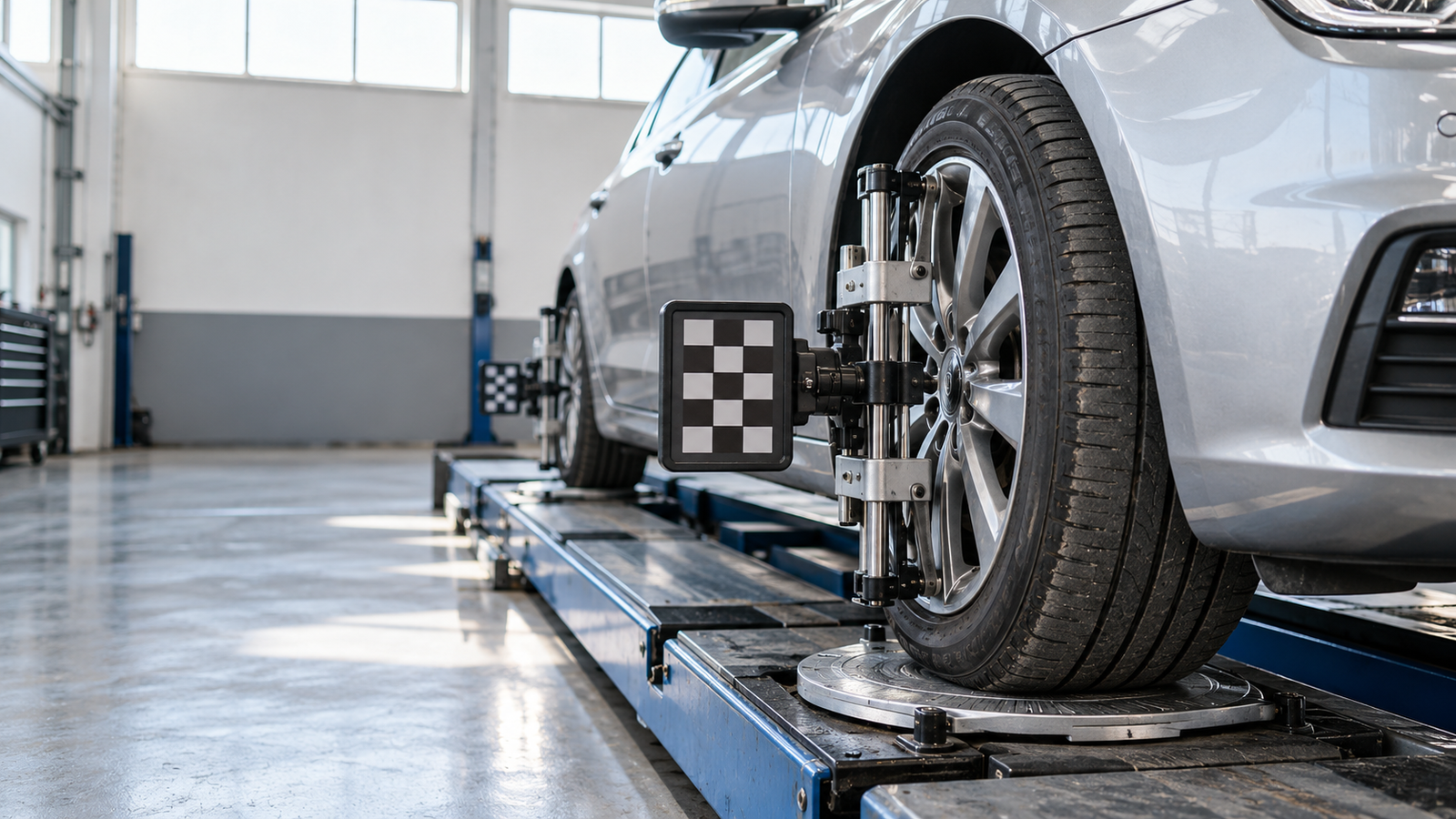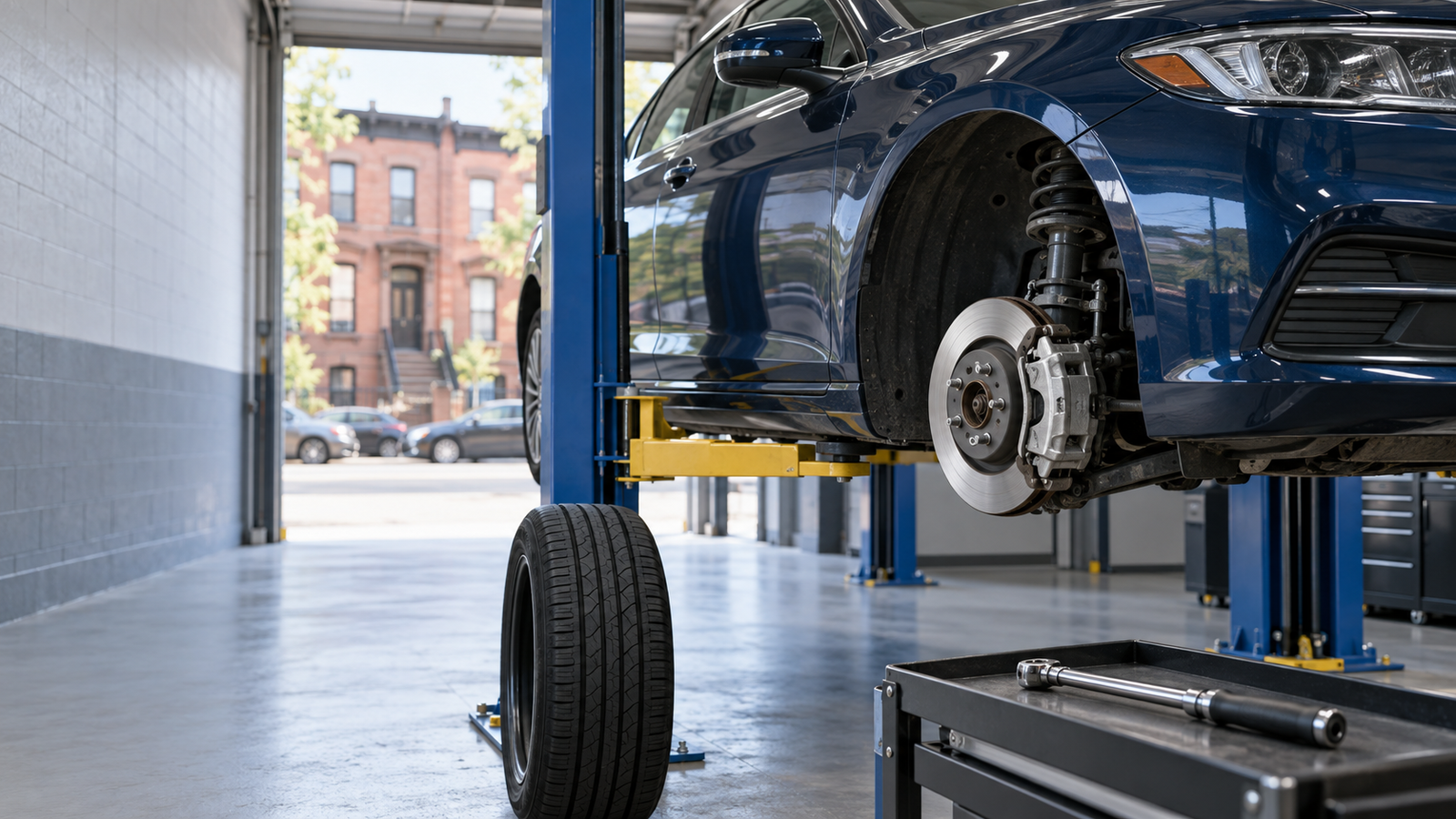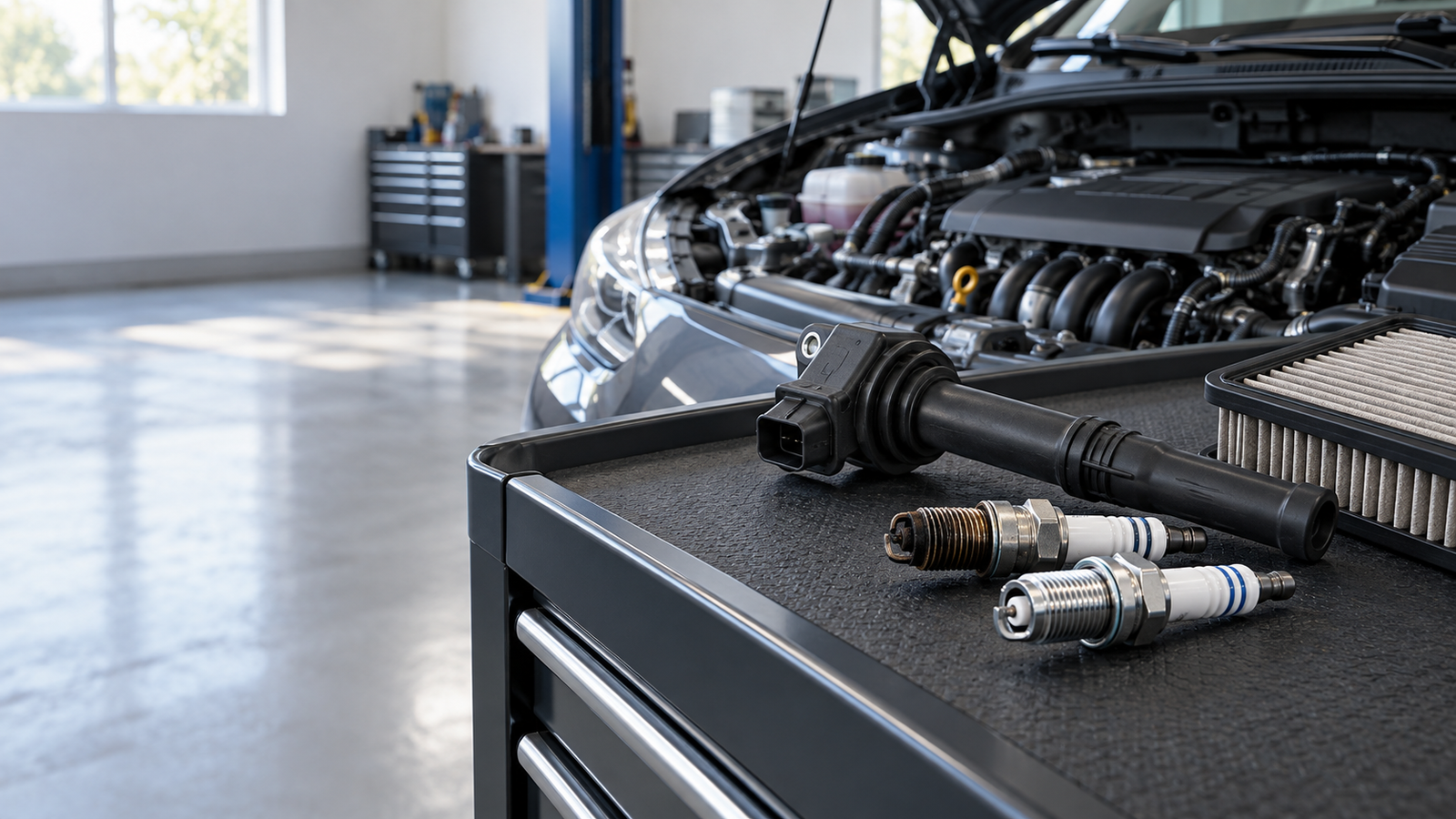

Regular maintenance helps a vehicle remain dependable, efficient, and safer to drive. In Brooklyn, frequent stopping, short journeys, potholes, and changing weather can place additional strain on brakes, tires, filters, and engine components.
Following a practical maintenance schedule allows drivers to identify small concerns before they become larger mechanical problems. The following checks can help motorists understand which services may be required and why they matter.
Start With Maintenance and Diagnostics
Effective maintenance and diagnostics combine routine servicing with checks based on how the vehicle behaves. Drivers should pay attention to warning lights, unusual noises, reduced fuel economy, fluid leaks, and changes in handling.
Modern vehicles contain electronic systems that monitor the engine, transmission, emissions, and other components. Diagnostic equipment can retrieve stored trouble codes, but these codes must be interpreted alongside physical testing. A fault code provides direction rather than automatically confirming which part needs replacement.
Follow a Regular Auto Maintenance Schedule
An auto maintenance schedule should consider the vehicle’s age, mileage, manufacturer guidance, and driving conditions. Cars used mainly for short urban journeys may require different attention from vehicles driven regularly on open roads.
Routine general repairs & maintenance can include checking fluid levels, brakes, tires, belts, hoses, lights, and suspension components. Keeping records of completed work also makes it easier to track recurring issues and avoid repeating services unnecessarily.
Do Not Delay an Oil Change
Engine oil lubricates moving parts and helps control heat. As oil ages, it can collect contaminants and become less effective. A timely oil change supports engine protection and may reduce unnecessary internal wear.
The correct interval depends on the engine, oil type, and driving habits. Drivers should follow the manufacturer’s schedule rather than relying on one interval for every vehicle. Oil level should also be checked between services, especially if the engine is known to consume or leak oil.
Replace Dirty Air and Cabin Filters
Air & Cabin Filter Replacement supports two different parts of the vehicle. The engine air filter prevents dust and debris from entering the engine, while the cabin filter cleans air entering through the heating and ventilation system.
A clogged engine filter may restrict airflow. A dirty cabin filter can reduce ventilation performance and contribute to unpleasant smells. Inspection is usually more useful than replacing either filter based only on time.
Investigate Performance Problems
An auto engine diagnostic may be needed when the check engine light appears, the vehicle struggles to start, or power decreases. Testing can examine sensor readings, ignition performance, and other operating data.
Auto Engine Tuning should involve adjustments or repairs that are appropriate for the particular vehicle. Modern cars generally rely on computer-controlled systems, so traditional tune-up methods may not apply.
Older vehicles with carburetors may sometimes require carburetor cleaning if deposits are affecting the fuel-and-air mixture. Because many modern vehicles use fuel injection, technicians should first confirm which system is fitted.
Check Emissions and Overall Condition
Auto emissions testing measures whether a vehicle’s exhaust output meets applicable standards. An emissions problem may be connected to sensors, ignition faults, fuel delivery, or exhaust components.
A broader vehicle inspection can cover tires, steering, suspension, brakes, lights, and safety equipment. This gives the driver a clearer picture of the vehicle’s overall condition.
BMSA Auto Care provides information and services related to vehicle maintenance and repair. Regardless of the workshop chosen, drivers should ask what testing was completed and why any recommended work is necessary.
Conclusion
Consistent maintenance is easier to manage when it follows a clear schedule. Oil, filters, diagnostics, and inspections all serve different purposes, but together they help drivers understand their vehicles and respond to developing problems early.
Frequently Asked Questions
How often should a vehicle be serviced?
Service intervals vary by manufacturer, mileage, vehicle age, and driving conditions. Consult the owner’s manual for guidance.
Does a diagnostic code identify the exact problem?
Not always. It identifies the system that detected a fault, but further testing may be required.
Should filters be replaced at every oil service?
Not necessarily. Their condition and the manufacturer’s recommended intervals should guide replacement.