
A smooth running vehicle should feel stable at most speeds. When shaking or vibration begins, it may indicate a problem with the tires, wheels, brakes, suspension, or engine. The timing and location of the vibration can provide useful clues, but a proper inspection is usually needed to identify the exact cause.
Brooklyn drivers may notice these symptoms more quickly because potholes, uneven roads, and stop-and-go traffic can place additional strain on vehicle components.
Vibration Through the Steering Wheel
Shaking felt mainly through the steering wheel is often connected to the front wheels or suspension. A wheel may be out of balance, a tire may have uneven wear, or an alignment problem may be affecting how the vehicle travels.
If vibration appears only at certain speeds, wheel balance is one possible cause. If the car also pulls to one side, wheel alignment or suspension wear may need to be checked.
A vehicle inspection can examine the tires, wheels, steering, and suspension before parts are replaced.
Shaking When Braking
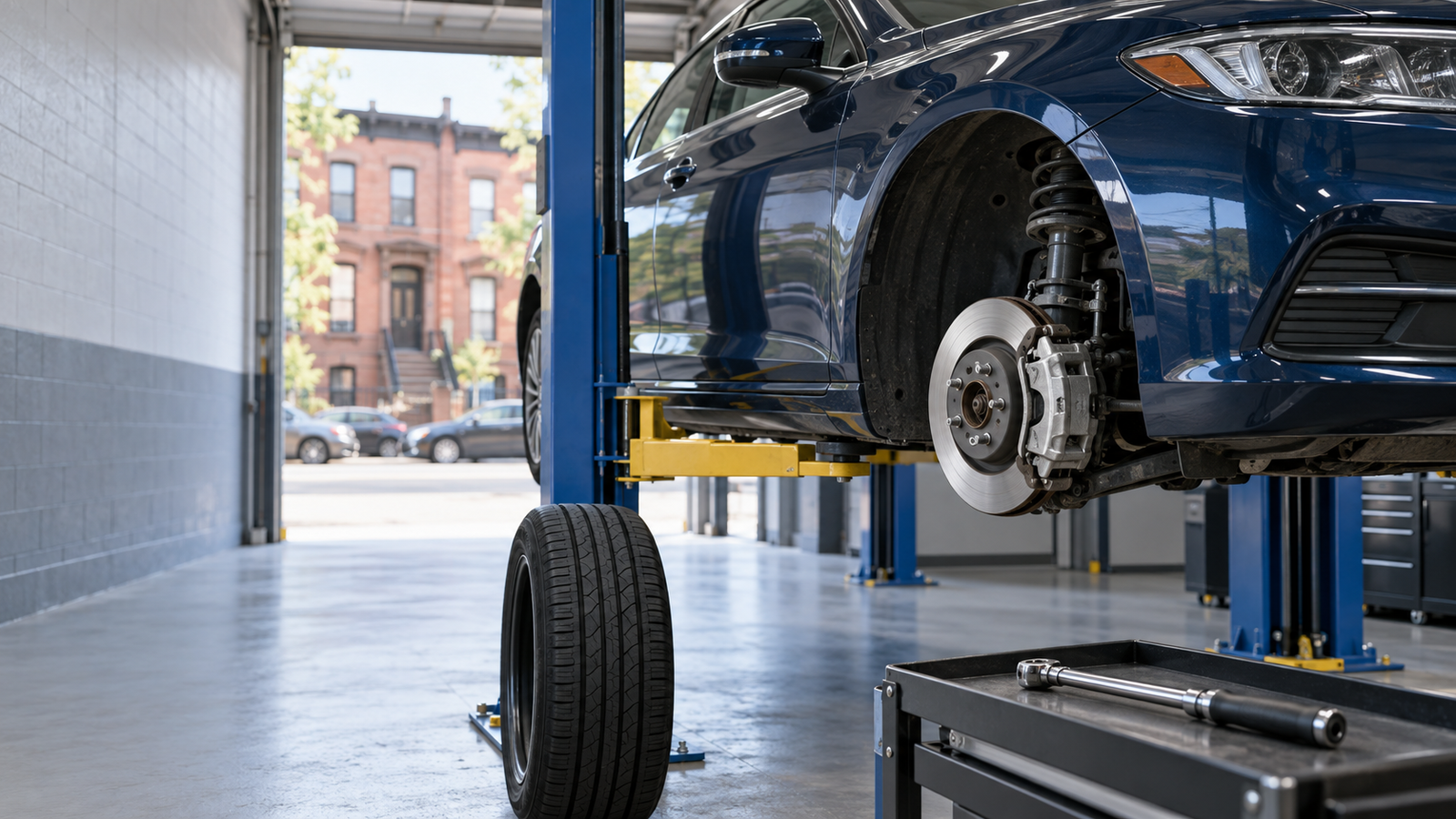
A vibration that occurs when the brake pedal is pressed may be related to the braking system. Brake discs can become uneven through heat and wear, while worn pads or sticking components may also affect braking.
Drivers may feel shaking through the pedal, steering wheel, or entire vehicle. Because braking performance directly affects safety, changes in pedal feel or stopping distance should be inspected promptly.
Routine general repairs & maintenance should include brake checks based on vehicle use and condition rather than waiting for a warning light.
Engine Vibration While Idling
If a car shakes while stationary, the cause may involve the engine or its supporting components. Worn engine mounts, ignition faults, vacuum leaks, or fuel delivery problems can produce a rough idle.
An auto engine diagnostic can examine stored fault codes and live operating data. However, diagnostic codes should be supported by physical testing because they do not always identify the failed part directly.
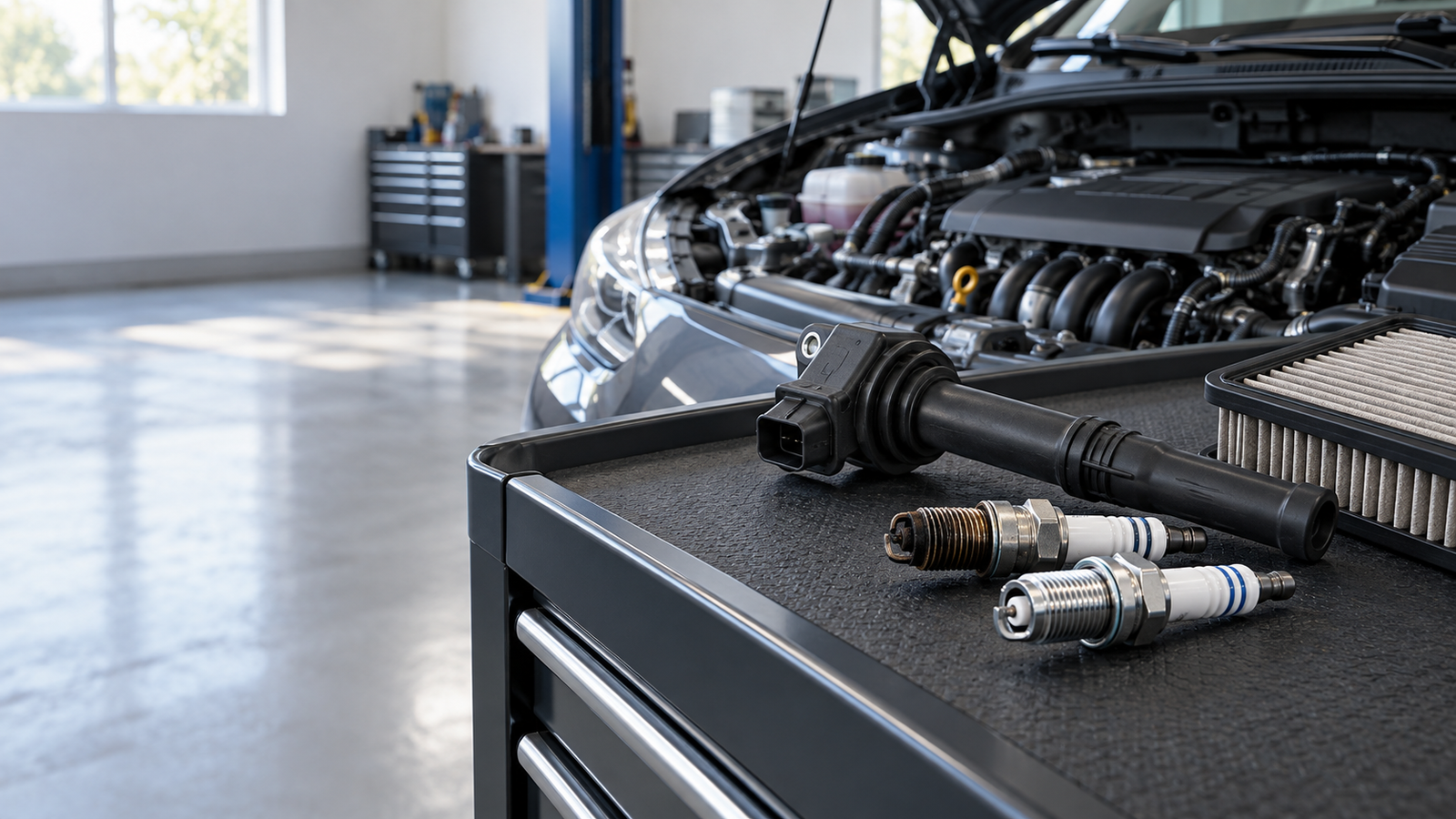
Depending on the vehicle, auto engine tuning may involve checking spark plugs, ignition coils, fuel delivery, and electronic control systems. Older vehicles may occasionally require carburetor cleaning, while most modern cars use fuel injection instead.
Tyres and Wheels Matter
Tyre damage is another common source of vibration. Bulges, separated internal belts, flat spots, and uneven tread can all affect how smoothly a vehicle moves.
Wheel damage can occur after striking a pothole or kerb. Even if a wheel looks normal, it may be slightly bent. Correct tire pressure is also important because underinflation can affect handling, fuel economy, and tire wear.
These checks are an important part of auto maintenance, especially for vehicles regularly driven on busy city streets.
Supporting Engine Performance
An overdue oil change does not normally cause steering-wheel vibration, but poor lubrication can contribute to broader engine problems. Oil level and condition should therefore be included in routine maintenance.
Air & Cabin Filter Replacement also serves different purposes. The engine air filter supports clean airflow into the engine, while the cabin filter helps maintain airflow through the heating and ventilation system.
If rough running is connected to a combustion problem, auto emissions testing may provide additional information about how efficiently the engine is operating.
When to Arrange an Inspection
BMSA Auto Care handles maintenance and diagnostics, but drivers should clearly describe when the vibration occurs. Note the speed, road conditions, and whether it appears during acceleration, braking, or idling.
Anyone searching for auto repair in Brooklyn or a Brooklyn auto mechanic should ask how the problem was tested and what evidence supports the recommended repair.
Conclusion
Vehicle vibration is a symptom rather than a diagnosis. It may come from a simple wheel-balance issue or a more serious brake, suspension, or engine fault. Paying attention to when and where the shaking occurs can help a technician inspect the correct systems and avoid unnecessary repairs.
Frequently Asked Questions
Is it safe to drive a vibrating car?
Minor vibration may not require an immediate stop, but severe shaking, braking changes, or steering problems need urgent attention.
Can wheel alignment cause vibration?
Alignment problems more commonly cause pulling and uneven tire wear, although related tire or suspension issues may produce vibration.
Why does my car shake only at high speeds?
Wheel imbalance, tire damage, or worn suspension components are possible causes. An inspection is needed to confirm the problem.