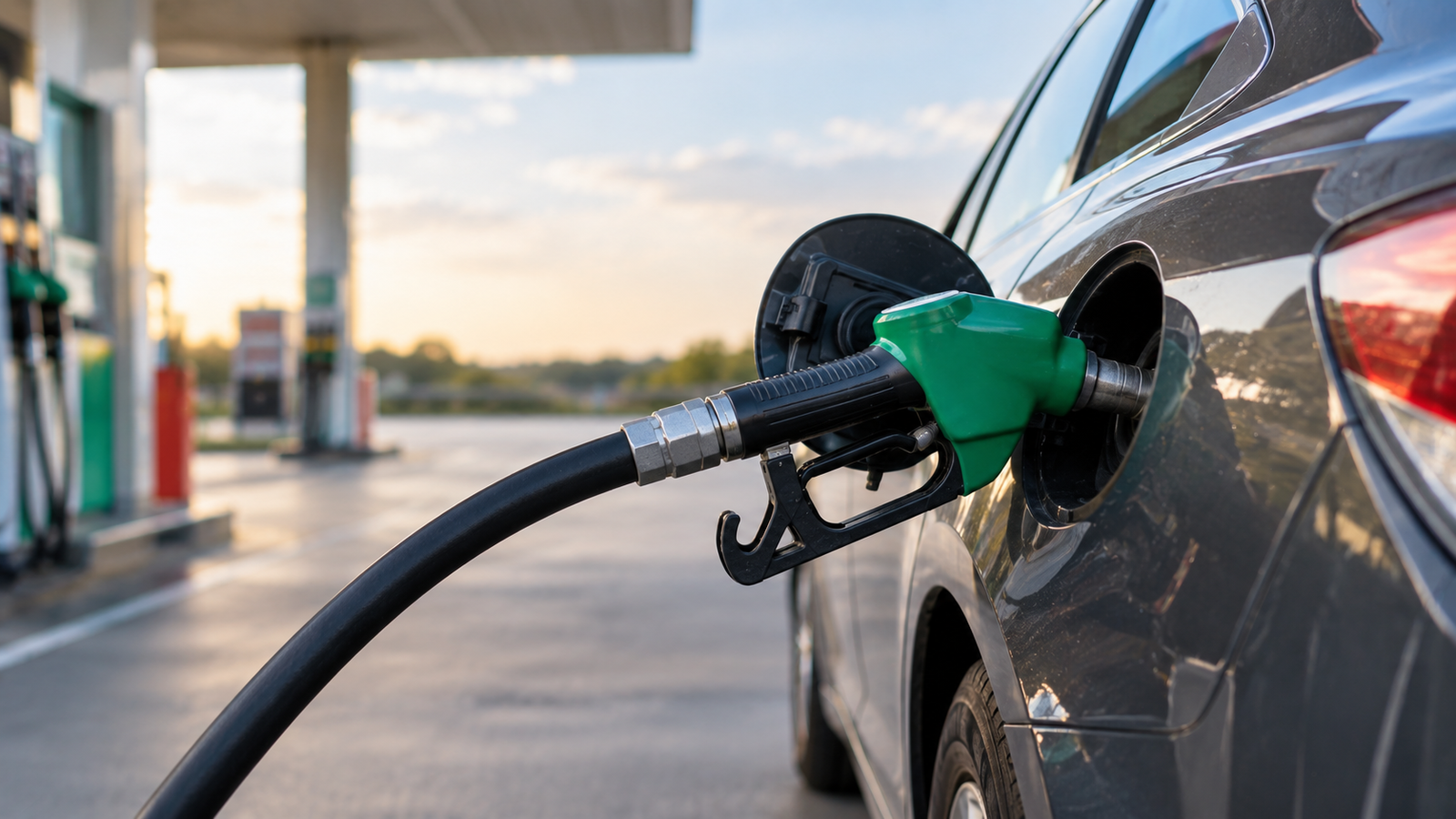
A sudden drop in fuel economy can be frustrating, especially for drivers who regularly travel through busy Brooklyn streets. Although traffic and driving habits affect fuel use, mechanical faults and missed maintenance can also cause a vehicle to consume more fuel than expected.
Monitoring changes in mileage can help drivers recognize developing problems before they begin affecting performance or reliability.
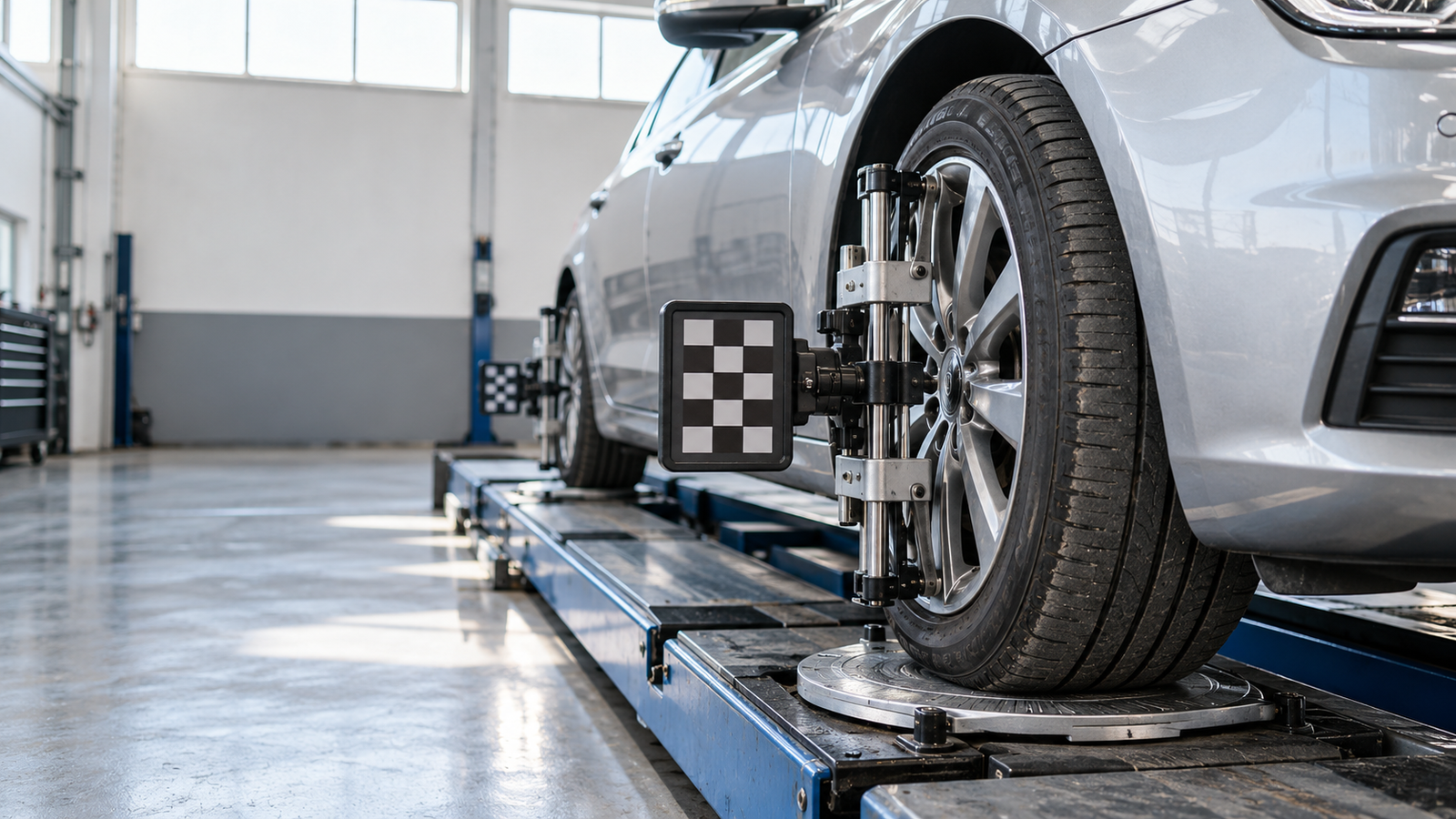
Tyre Pressure and Wheel Alignment
Underinflated tires create additional rolling resistance, forcing the engine to work harder. Even a small pressure difference across several tires may affect fuel consumption over time.
Tire pressure should be checked when the tires are cold and adjusted according to the vehicle manufacturer’s guidance. Uneven wear or a vehicle that pulls to one side may indicate an alignment or suspension issue.
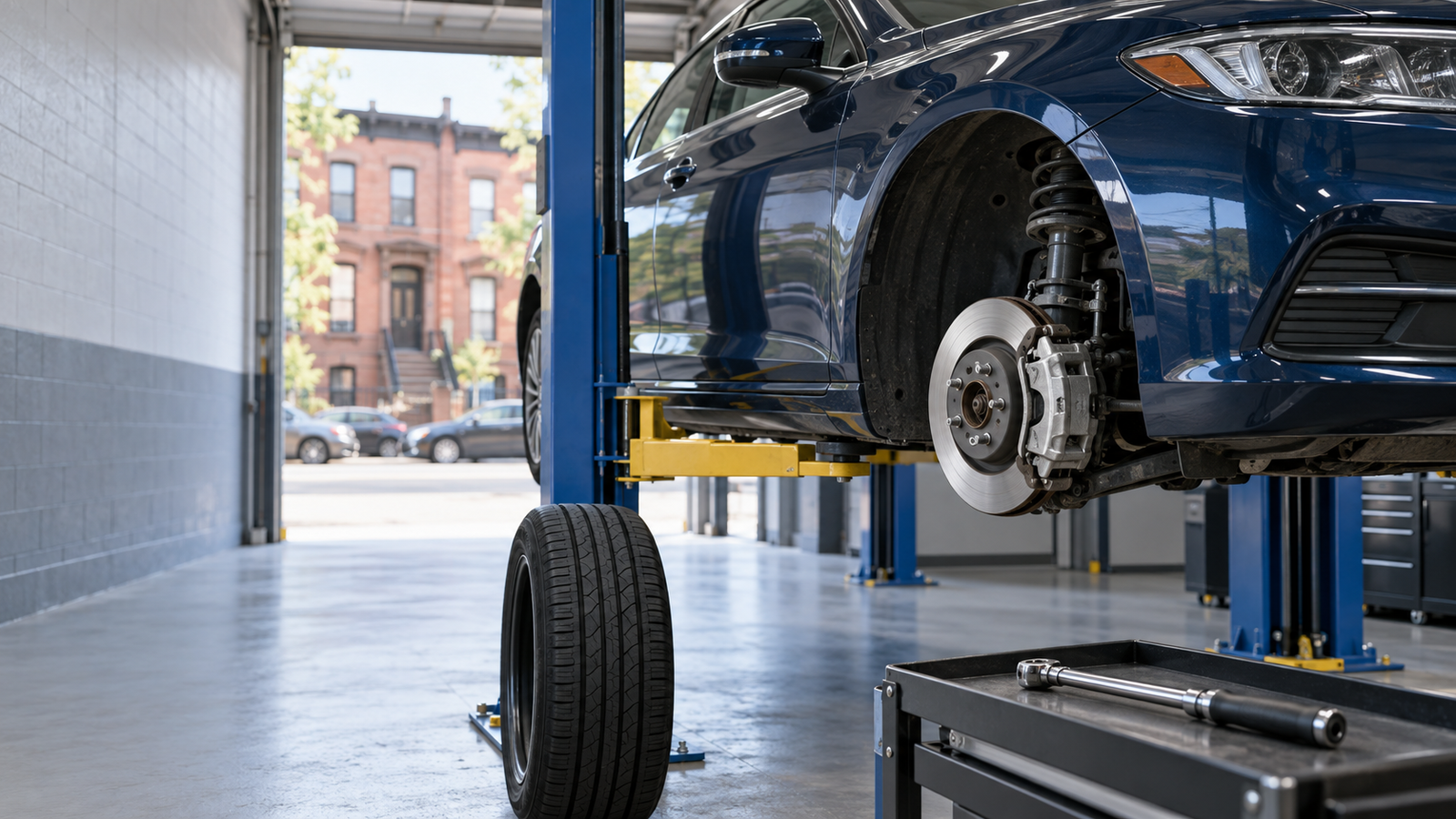
Regular auto maintenance should include tire inspections, pressure checks, and attention to unusual steering behavior.
Short Journeys and Heavy Traffic
Brooklyn traffic often involves frequent braking, slow movement, and long periods of idling. These conditions naturally consume more fuel than steady driving on an open road.
Short journeys can have a similar effect because the engine may not reach its normal operating temperature. Combining several short trips into one longer journey may help reduce unnecessary cold starts.
Dirty Filters and Sensor Problems
The engine needs a controlled mixture of air and fuel to operate efficiently. A restricted air filter can reduce airflow, while faulty sensors may send inaccurate information to the engine computer.
Proper air & Cabin Filter Replacement serves two different purposes. The engine air filter protects the engine from dirt and debris, while the cabin filter helps maintain clean airflow through the heating and ventilation system.
An auto engine diagnostic may be useful when poor fuel economy is accompanied by a warning light, rough running, or reduced power. Diagnostic codes provide a starting point, but further testing may be needed before replacing parts.
Worn Spark Plugs and Ignition Faults
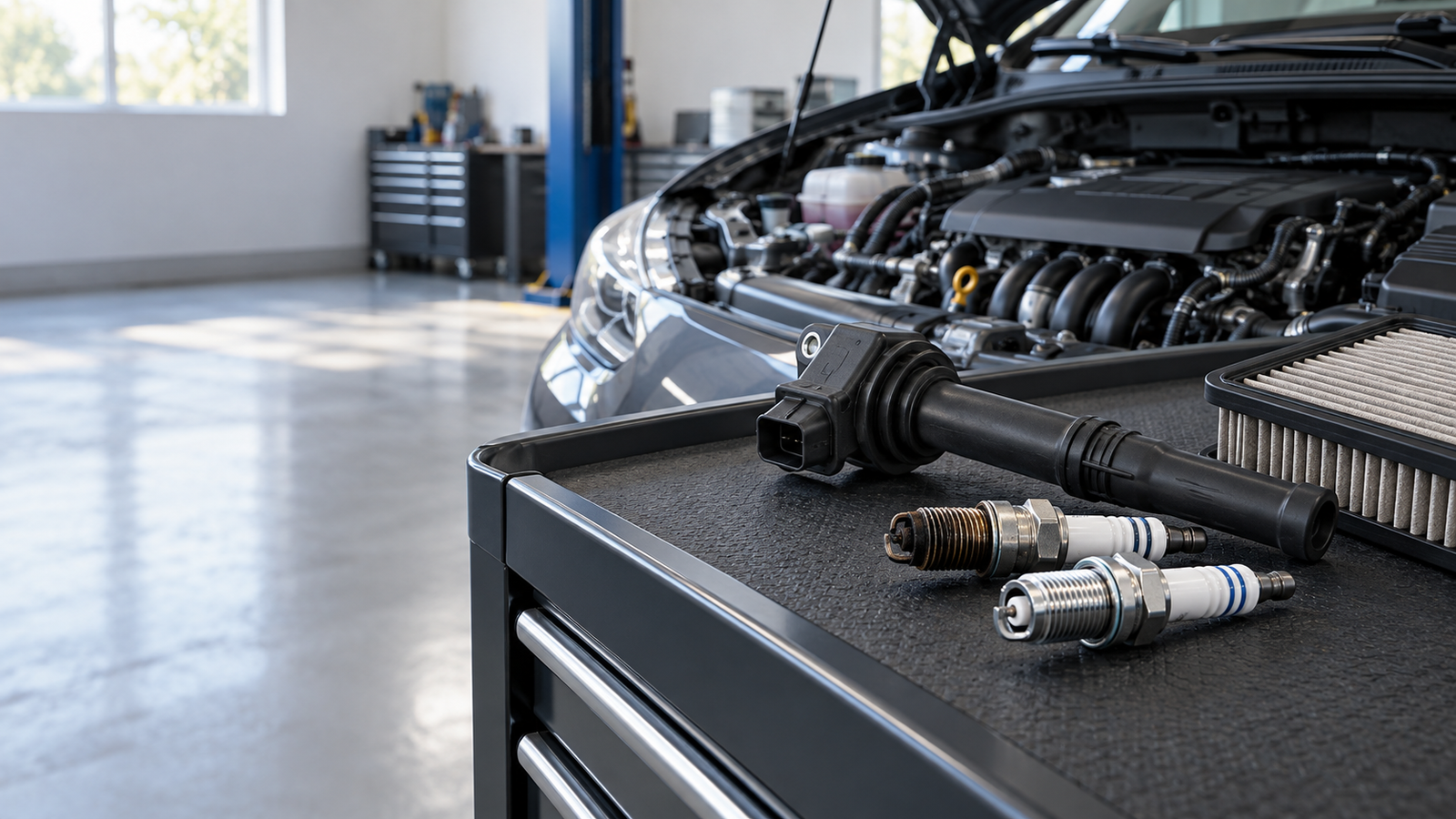
Spark plugs ignite the air-and-fuel mixture inside petrol engines. Worn plugs or failing ignition coils may cause incomplete combustion, hesitation, and increased fuel consumption.
Auto Engine Tuning for a modern vehicle may involve checking spark plugs, ignition components, sensor data, and fuel delivery. Older vehicles fitted with carburetors may occasionally require carburetor cleaning if deposits are affecting the fuel-and-air mixture. Most newer cars use electronic fuel injection instead.
Oil Condition and Service Intervals
Engine oil reduces friction and protects internal components. An overdue oil change may affect lubrication and contribute to poor engine performance.
Drivers should follow the manufacturer’s recommended service interval and use the correct oil grade. The oil level should also be checked between services, particularly if the vehicle is known to consume or leak oil.
Brakes, Exhaust, and Emissions
A sticking brake caliper can create resistance even when the brake pedal is not being pressed. Drivers may notice reduced performance, pulling, or unusual heat near one wheel.
Exhaust and emissions problems may also affect efficiency. Auto Emissions Testing can identify whether the vehicle’s exhaust output is within the required limits. Faulty oxygen sensors, ignition problems, and fuel-delivery issues are among the possible causes of increased emissions.
Use Maintenance Records to Identify Changes
Drivers should calculate fuel economy over several fill-ups rather than relying on one journey. Recording mileage, fuel added, and driving conditions can show whether the change is consistent.
BMSA Auto Care provides maintenance and diagnostics along with general repairs & maintenance. When discussing lower fuel economy with a technician, mention when the change began and describe any warning lights, smells, noises, or performance problems.
Conclusion
Lower fuel economy may result from traffic, tire pressure, filters, missed servicing, or an engine fault. A structured inspection can help identify the actual cause without replacing parts unnecessarily. Consistent maintenance also makes it easier to recognize when a vehicle’s normal behavior begins to change.
Frequently Asked Questions
Can cold weather reduce fuel economy?
Yes. Engines take longer to warm up, while heaters, demisters, and winter driving conditions can increase fuel use.
Does premium fuel improve mileage?
Not necessarily. Drivers should use the fuel grade recommended by the vehicle manufacturer.
Can low tire pressure increase fuel consumption?
Yes. Underinflated tires increase rolling resistance and make the engine work harder.