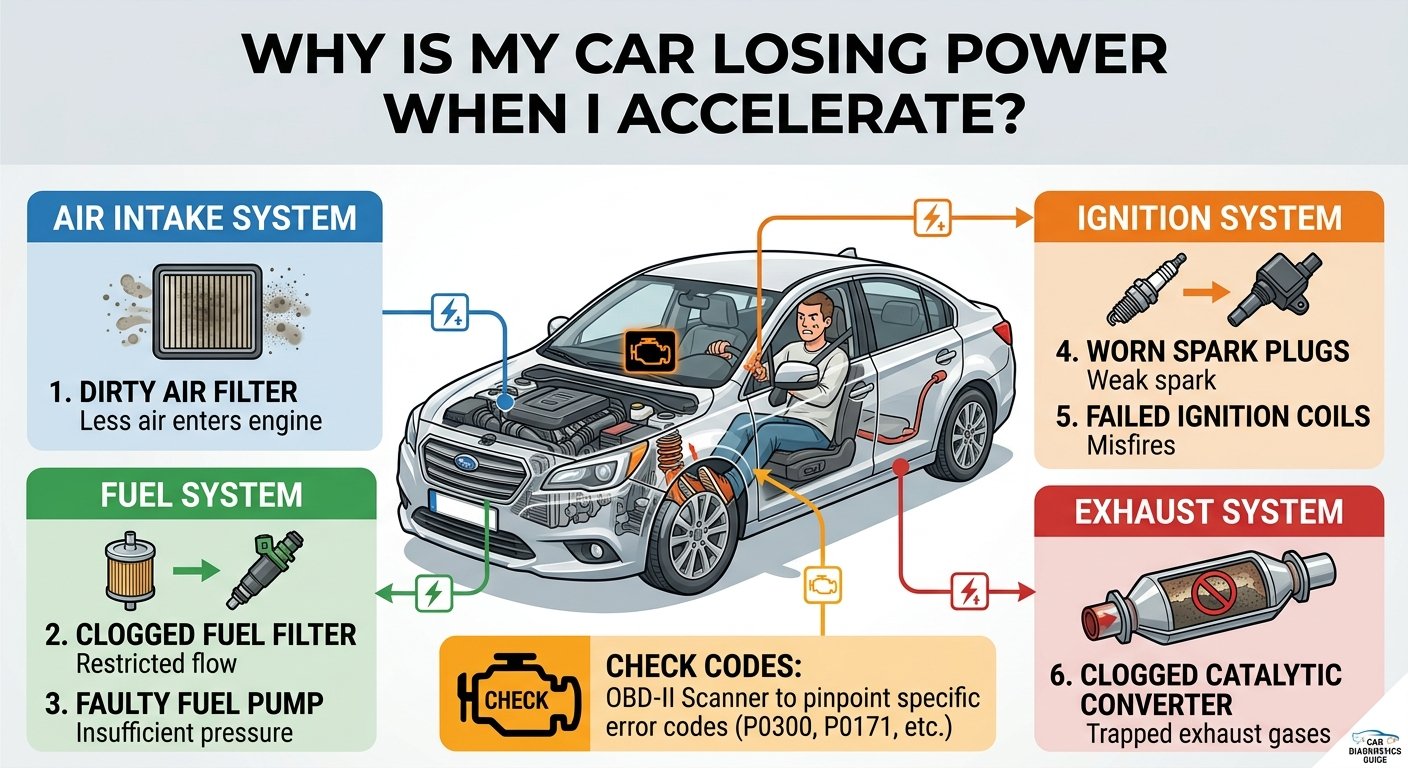
A car that hesitates or struggles during acceleration can make everyday driving feel unpredictable. The problem may appear when pulling away from a traffic light, entering a highway, or driving uphill. In some cases, the vehicle may also shake, produce unusual sounds, or display a warning light.
Loss of power can have several causes, ranging from a dirty filter to a more serious engine or transmission issue. Paying attention to when the problem occurs can give a mechanic useful information and help avoid unnecessary repairs.
A Restricted Air Filter
An engine needs a steady supply of clean air to burn fuel efficiently. The air filter prevents dust and debris from entering the engine, but it can become restricted as dirt collects.
A clogged filter may affect acceleration, fuel economy, and general engine performance. Air filters should be inspected and replaced according to the vehicle manufacturer’s maintenance schedule. Driving in dusty conditions may make more frequent checks necessary.
Routine car maintenance Brooklyn drivers arrange should include filters, fluid levels, and other basic items that can influence daily performance.
Fuel Delivery Problems
The engine also needs the correct amount of fuel. A weak fuel pump, dirty injectors, or a restricted fuel filter may prevent enough fuel from reaching the engine during acceleration. The car may feel normal at a steady speed but hesitate when more power is required.
Fuel delivery problems can produce similar symptoms to ignition or airflow faults. Testing the system is therefore more useful than replacing parts based only on how the car feels.
Worn Spark Plugs or Ignition Components
Spark plugs ignite the mixture of air and fuel inside a gasoline engine. When a plug, ignition coil, or related component begins to fail, the engine may misfire. This can cause shaking, uneven acceleration, reduced power, or a flashing check engine light.
A flashing warning light can indicate an active misfire that may damage the catalytic converter. Reduce driving and have the vehicle inspected promptly. A Brooklyn Auto Mechanic can read the stored fault codes and perform further tests to identify the cylinder or component involved.
Exhaust Restrictions
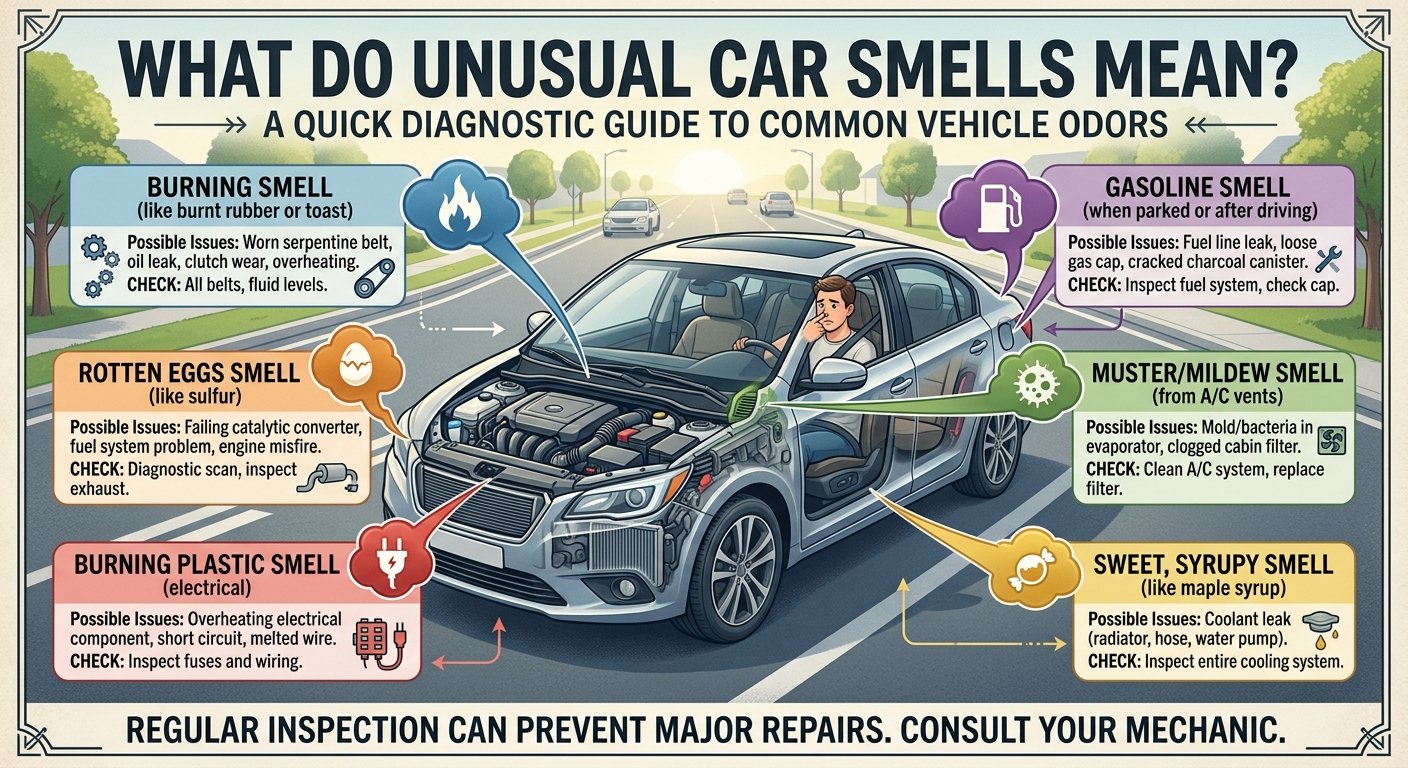
Exhaust gases must leave the engine freely. A restricted catalytic converter or damaged exhaust component can limit airflow and reduce engine power. Possible signs include poor acceleration, excessive heat, unusual smells, and declining fuel economy.
These symptoms can also be caused by other faults, so an exhaust restriction should be confirmed through proper testing. Diagnostic information, temperature readings, and pressure tests may all help locate the problem.
Transmission and Drivetrain Concerns
A loss of acceleration does not always begin inside the engine. If engine speed rises but the car does not gain speed normally, the transmission or clutch may be slipping. Delayed gear changes, harsh shifting, or unusual noises can provide additional clues.
Check the ground where the vehicle is parked for fresh fluid and note whether the problem is worse when the car is cold or warm. This information can help an Auto Repair Brooklyn technician decide which parts of the drivetrain require attention.
Why Vehicle Diagnostics Matter
Modern vehicles monitor fuel delivery, emissions, ignition timing, and many other systems. A warning code can provide a useful starting point, but it does not always identify the failed part directly.
For example, a code showing a lean fuel mixture could relate to an air leak, fuel delivery problem, or sensor reading. A complete diagnosis may include a road test, visual inspection, live data review, and component testing.
BMSA Auto Care lists maintenance, diagnostics, engine, transmission, and exhaust work among its services. Regardless of which workshop you choose, ask how the diagnosis was reached and which test results support the recommended repair.
When Engine Repair May Be Necessary
Some power loss problems can be corrected with routine maintenance or the replacement of an external component. Others may point to low compression, timing problems, or internal wear.
Before approving major engine repair Brooklyn drivers should request a clear explanation of the findings. Compression or leak down testing may be used when internal engine condition is suspected. Understanding the evidence helps distinguish a serious mechanical problem from a sensor, ignition, or fuel system fault.
What to Tell the Mechanic
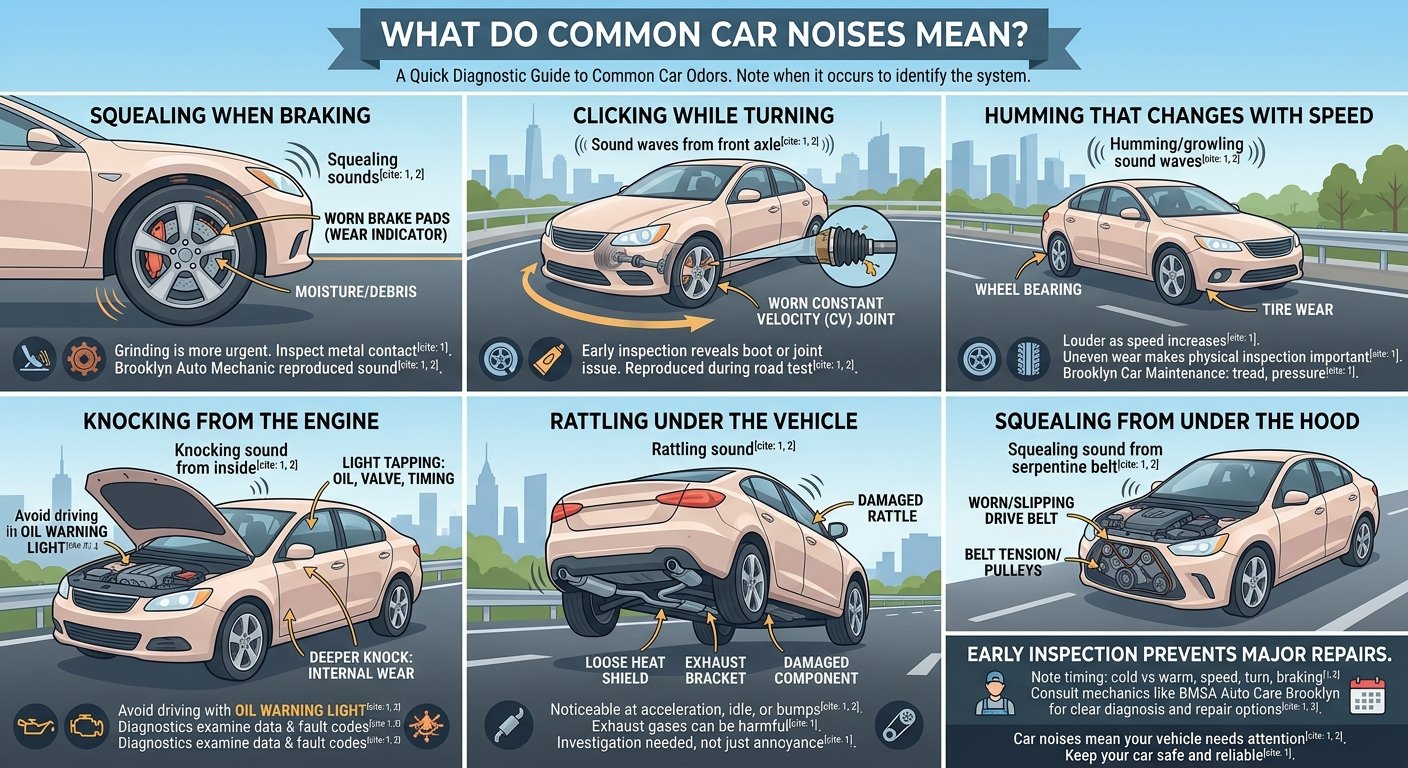
Describe exactly when the vehicle loses power. Mention whether it happens from a stop, at highway speeds, on hills, or after the engine warms up. Also report warning lights, smells, noises, recent repairs, and changes in fuel economy.
Avoid clearing warning codes before the inspection, as stored data may help with diagnosis. If the check engine light flashes, the vehicle overheats, or the car cannot maintain a safe speed, stop driving and arrange assistance.
Conclusion
Poor acceleration can result from restricted airflow, fuel delivery faults, worn ignition components, exhaust problems, or transmission concerns. Since many of these issues create similar symptoms, testing is the most reliable way to find the cause. Recording when the problem happens can make the diagnostic process more focused and help determine the correct repair.
Frequently Asked Questions
Can a dirty air filter cause slow acceleration?
Yes. A heavily restricted filter may reduce the air available to the engine, although other problems can cause similar symptoms.
Why does my car hesitate only when going uphill?
Climbing requires more engine power, which can expose fuel, ignition, airflow, or transmission problems that are less noticeable during normal driving.
Is it safe to drive with reduced engine power?
It depends on the cause and severity. If the warning light flashes, the vehicle shakes heavily, or it cannot maintain a safe speed, stop driving and arrange an inspection.